Canyonlands National Park Rafting
Canyonlands Rafting Trips With OARS
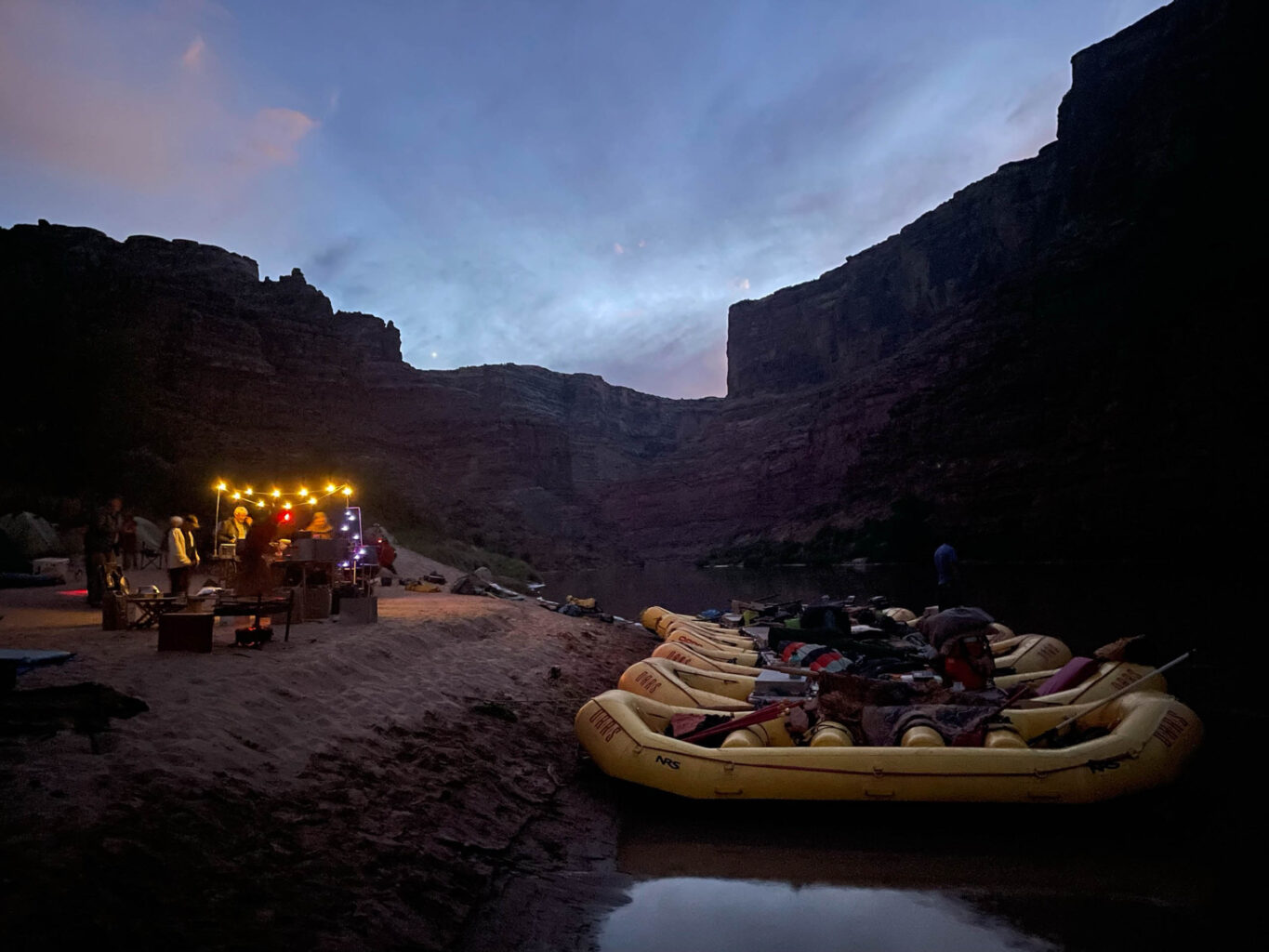
If you are considering a national park vacation but don’t have time to deal with all the necessary logistics, or you’re looking for an experienced outfitter, OARS offers all-inclusive guided river trips in Utah’s Canyonlands National Park. Visiting the park with OARS includes multiple days of rafting and hiking through the heart of the Canyonlands on the Green and/or Colorado River, culminating with a wild ride through the rapids of Cataract Canyon. Every multi-day trip through Canyonlands includes top-notch service from our professional guides, deliciously-prepared meals and snacks, as well as quality equipment.
O.A.R.S. Canyonlands, Inc. is an authorized concessioner of Canyonlands National Park

Find Your Perfect Trip
Adventures in Canyonlands
Cataract Canyon Whitewater Rafting
Location:
Utah
Adventure Level:
Moderately Challenging
Minimum Age:
9 (12 – 16 during high water)
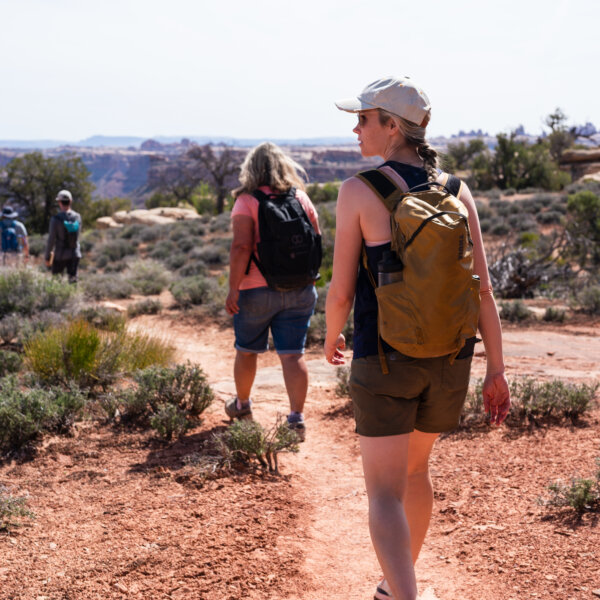
Stillwater & Cataract Canyon Hiker
Location:
Utah
Adventure Level:
Moderately Challenging
Minimum Age:
12
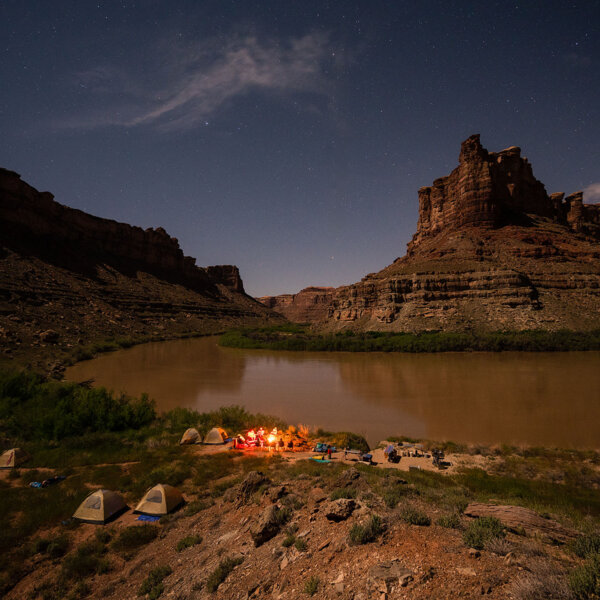
John Wesley Powell Retrace
Location:
Utah, Colorado & Grand Canyon
Adventure Level:
Challenging
Minimum Age:
16
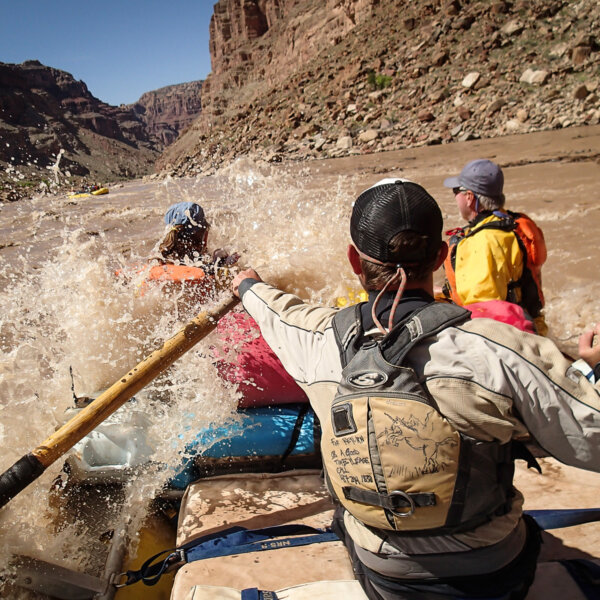
Colorado River Rowing Clinic
Location:
Utah
Adventure Level:
Challenging
Minimum Age:
18 (16 with parent/guardian also in the class)
My third multi-day raft trip with OARS was another amazing adventure with this company. The boatmen were so friendly and knowledgeable. We enjoyed delicious food during our journey through Canyonlands National Park. I hope to travel with these folks again.
Charles Caldwell OARS Cataract Canyon guest
Canyonlands Rafting – Map
Where is Canyonlands National Park?
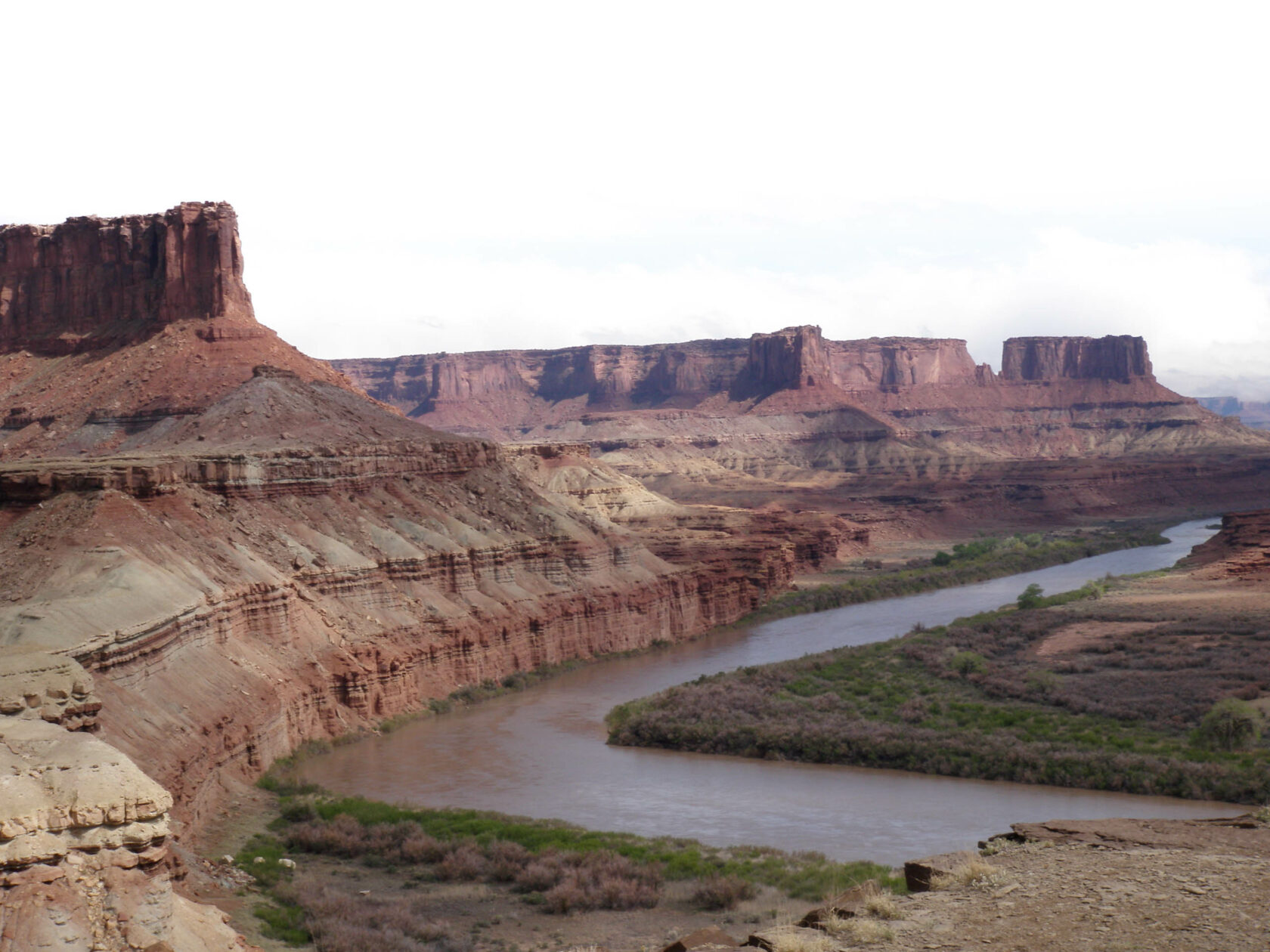
Located just outside of Moab, Utah, Canyonlands is found within the geologic region of the Colorado Plateau. The park is essentially composed of five unique areas: the Island in the Sky District in the northern part; the Needles District in the southeastern portion; the Maze District, which is the least accessible district; Horseshoe Canyon, which contains some of the most significant rock art in North America; and the Colorado River and its tributaries, which are corridors providing relatively easy access to some of the park’s most remote backcountry areas.
Canyonlands is generally accessed from airports in Salt Lake City (4 hours), Grand Junction, Colorado (2 hours), and Moab (.5 hour).
When is the best time to visit Canyonlands?
Though Moab can be crowded from April through October, the most popular seasons to visit Canyonlands are spring (April through May) and fall (mid-September through October), when daytime highs average 60 to 80 degrees F and lows average 30 to 50 degrees F. For river trips, which offer an escape from the crowds, the most popular season is generally throughout summer. This high-desert region can experience wide temperature fluctuations, sometimes over 40 degrees F in a single day. OARS Utah rafting trips and hiking trips run from spring through summer and into fall.
Is the water always brown in Cataract Canyon?
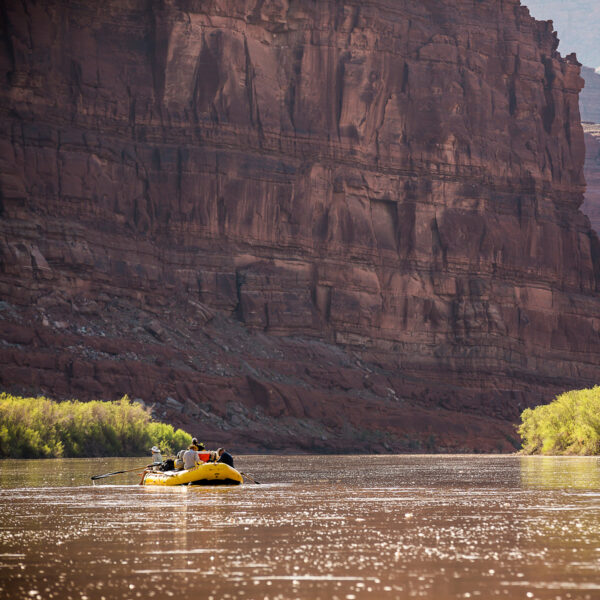
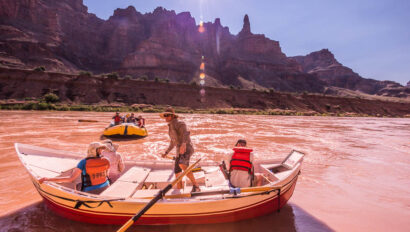
Most of the time, yes. Unlike the dam-regulated stretch of the Colorado River below Glen Canyon, Cataract Canyon flows freely through Canyonlands National Park—and with that comes sediment. The river here is usually a rich brown color, especially during spring runoff or after summer storms.
What causes the river to look muddy?
Erosion and runoff from side canyons and desert washes feed into the river, carrying silt, clay, and sand. Spring snowmelt and monsoon rains supercharge this process, turning the water into a churning mix that resembles chocolate milk.
Is it safe to drink?
On most trips, your guides will bring jugs of drinking water, but in some cases they may filter and treat water from the river or side creeks, which ensures it’s completely safe to drink. Dishwater is also treated and handled according to backcountry sanitation standards.
Does the murky water affect rafting?
It can make submerged obstacles harder to see, especially in the big-water season when Cataract’s Class III–V rapids are at their most intense. Luckily, OARS guides are trained to read the river—even when it’s fast-moving and visibility is low.
Get the full scoop on our blog: Why is the Colorado River Brown?
What is the whitewater like in Cataract Canyon?
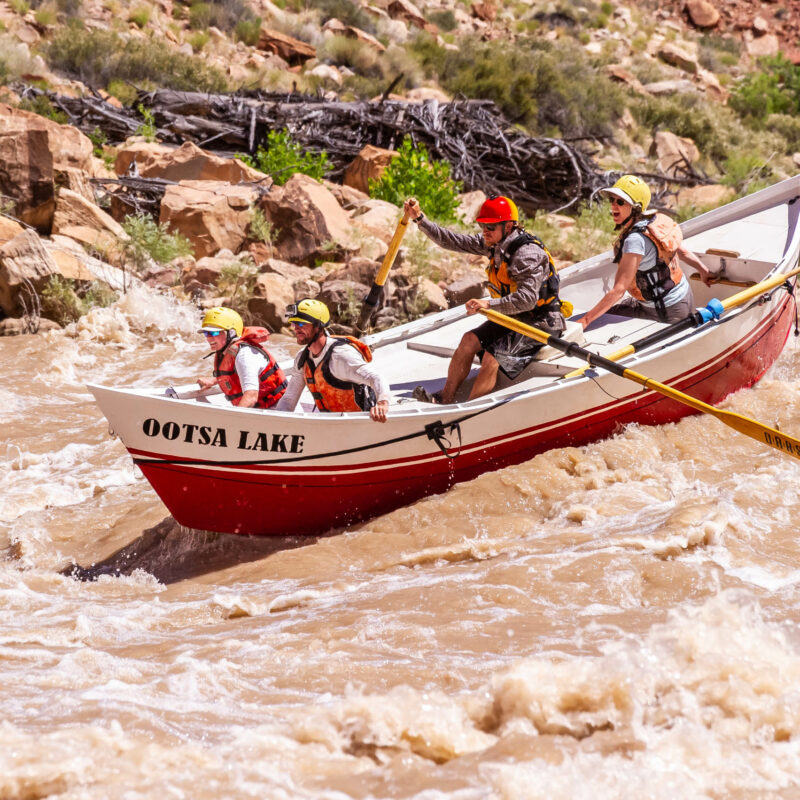
Cataract Canyon rafting in between mid-May and mid-June often offers massive Class IV+ rapids. Snowmelt from the Rockies yields big runoff and some of the country’s most renowned whitewater in the heart of Canyonlands National Park. The minimum age for trips jumps to 16 during this timeframe. For the rest of the season, the rapids still offer a major rush, but they’re more suitable for adventurers as young as 9.
Though Cataract does offer some of the country’s largest whitewater, all rafting trips on this stretch of the Colorado River begin with approximately 47 miles of flatwater before reaching the heart of the rapid corridor and memorable rapids like the Big Drops. As the trip continues downstream toward Lake Powell, rafters can expect more flatwater but are also treated to the fascinating Returning Rapids corridor—a region of the lower canyon that was underwater for decades but now hosts a remarkable recovery of side canyons, beaches, and re-emerging rapids like Gypsum.
Discover your next OARS Rafting Adventure