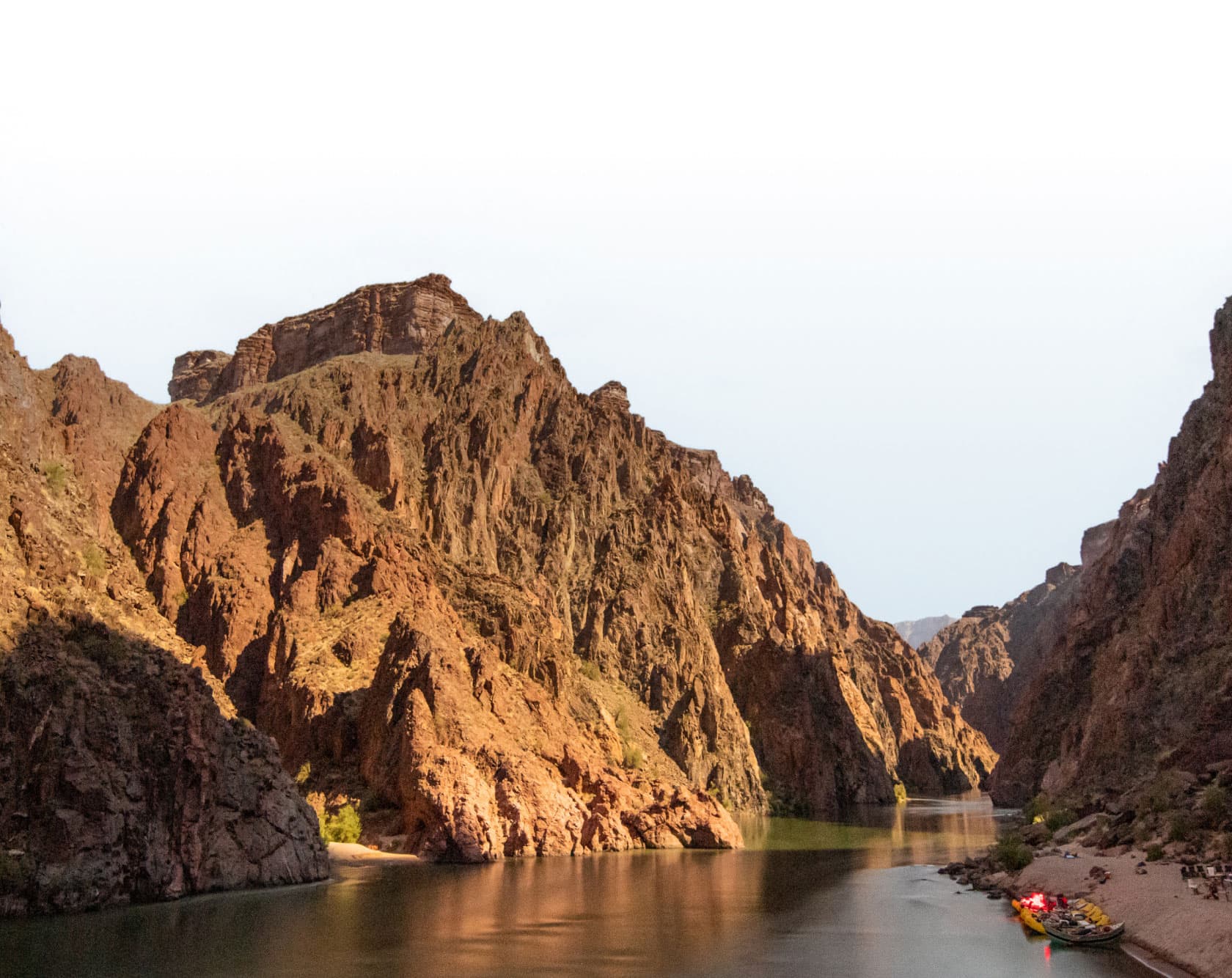
A Family’s First Rafting Trip on the Renewed Klamath River
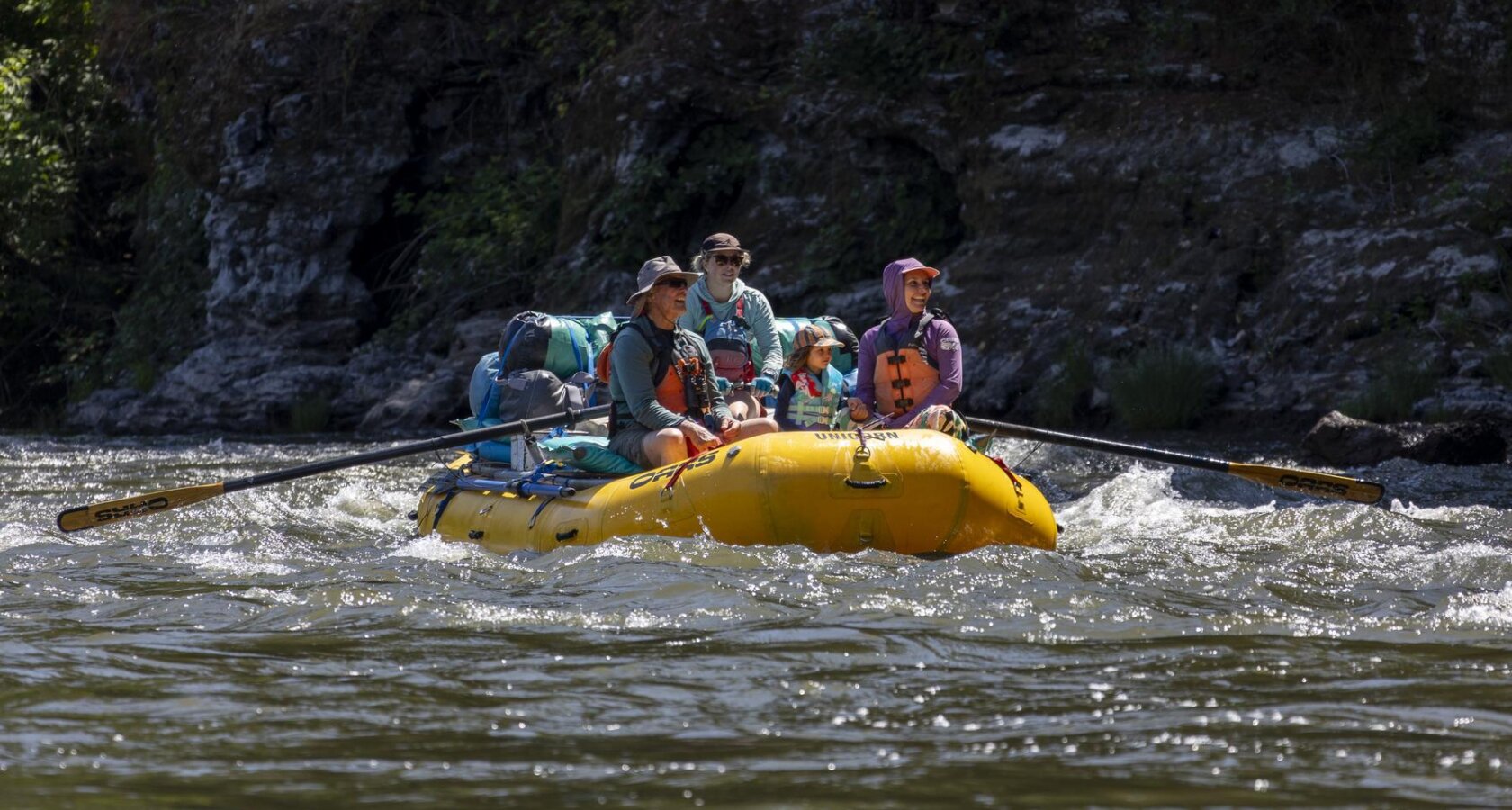
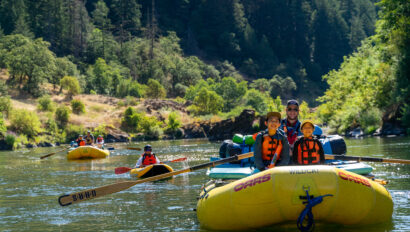
Sandwiched between her Mom and I on the front seat of a big yellow raft, Penny held my hand with a white-knuckle squeeze.
“I can do this,” she said to herself.
The raft slid over the edge of the rapid and into the bubbling white hole. A splash came over the front and into our laps. We popped out into another stretch of calm water. Our 4-year-old relaxed and laughed easily.
“That was a big one,” she said.
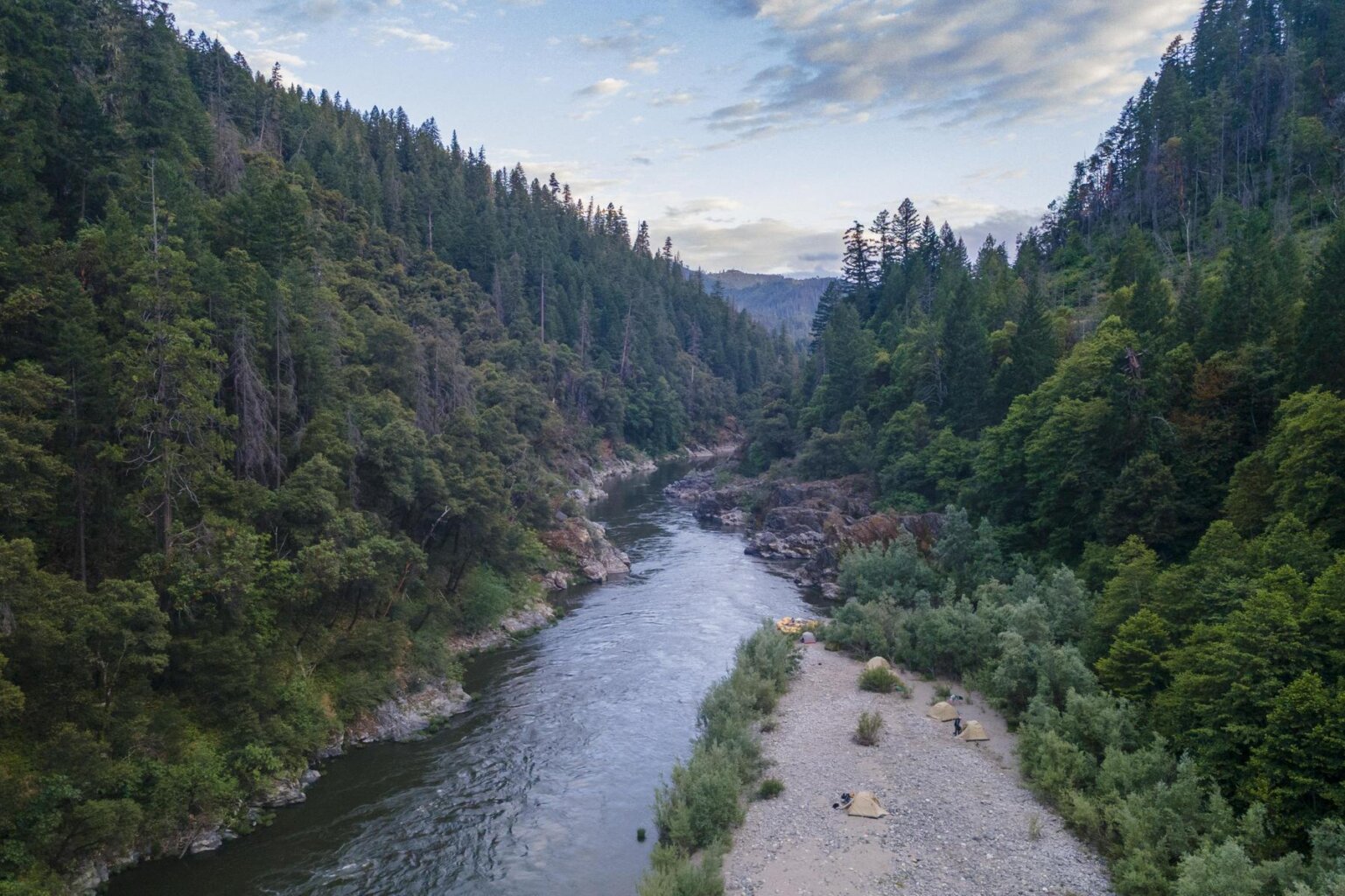
As we floated on, the rugged beauty of the Lower Klamath River settled on us. We drifted through canyon walls blanketed in Douglas fir, redwood and madrone. From high in the snags, bald eagles and osprey watched us pass. Barely noticing the rapids, my Dad raised his binoculars for every feather. The guides were also eyeing the area closely, looking for changes to the river and landscape.
After pausing trips for the 2024 season while four dams were removed, this was OARS’ first commercial trip back on the renewed Klamath, a stretch the company has been running for more than 45 years. A multi-generational shakedown, this was also our first rafting trip as a family. And as most parents do, we had our worries about taking our little one on the river. But it’s funny how things change after a few splashes.
Making Camp
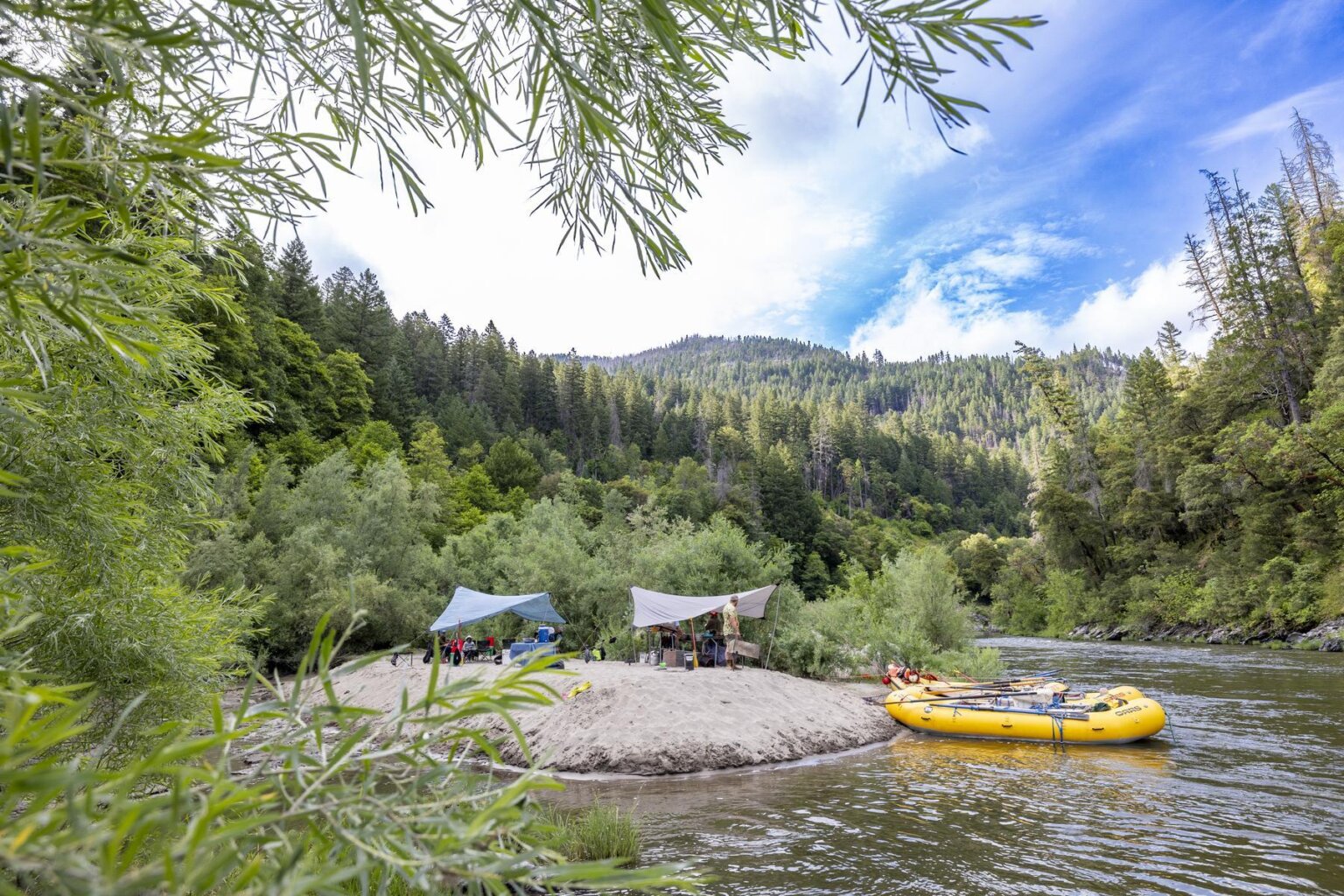
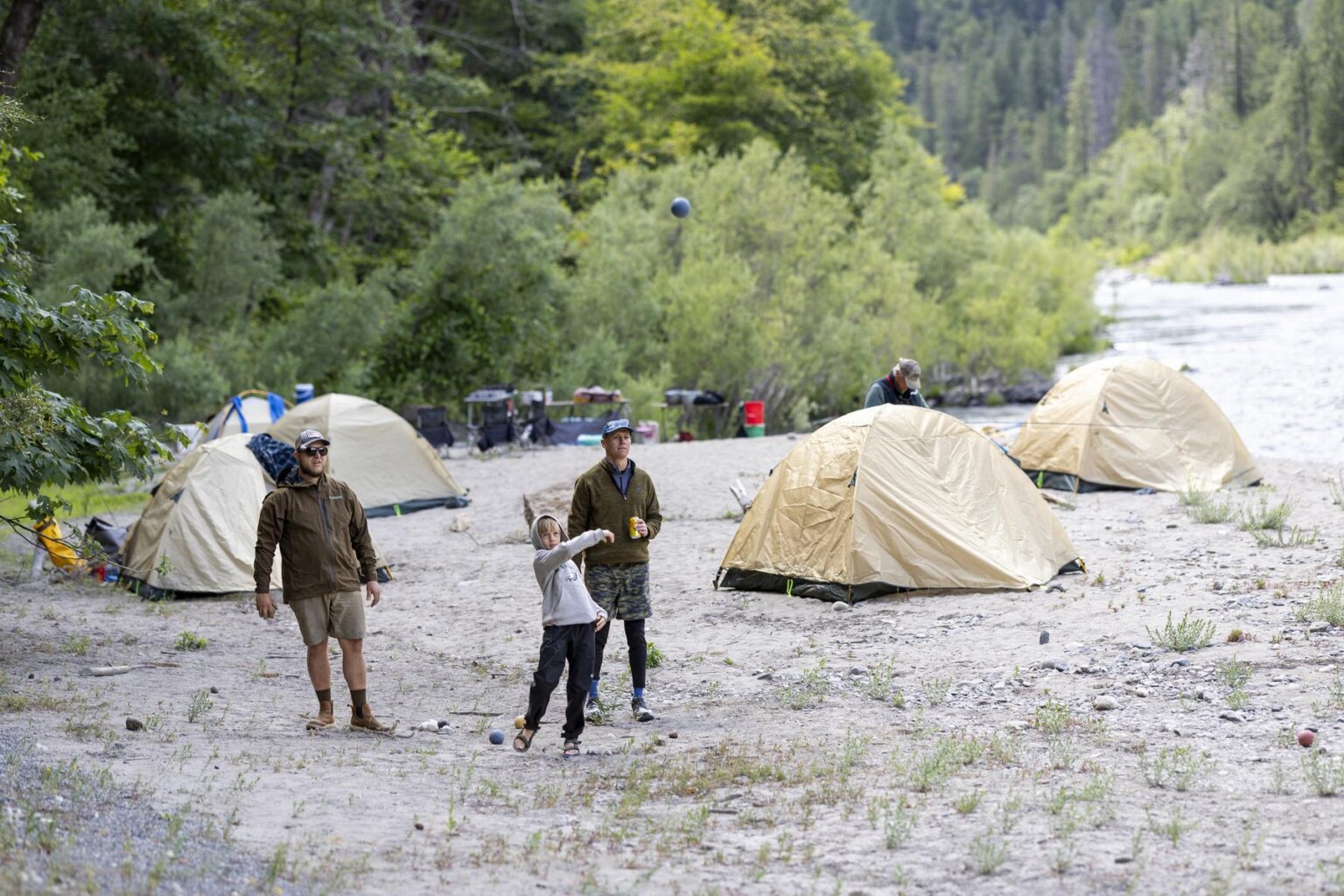
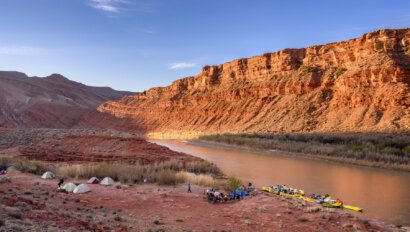
An hour or so after Penny’s first whitewater encounter, the river lapped at the boats tied up on a sandy bank. The guides bustled around the kitchen. A sandy and energetic game of beach bocce was taking place just beyond the tents. My Dad cast his fly line into the current, drifting heavy nymphs for invisible trout.
On the opposite end of the spectrum from keeping Penny happy and entertained, I was worried the mellow nature of a family trip would be too slowpaced for my dad. He’d rafted the Grand Canyon in high water, floated remote Alaskan rivers and tackled the Middle Fork of the Salmon with OARS the year prior. Though the fish were uncooperative on the Klamath in June, luckily the birding—including a peregrine falcon sighting—proved to be top notch. Hanging out with two generations of his family wasn’t bad either, he said.
“Being out here is just a good way to spend time with your family,” he explained. “Kids are never happier than when they’re having an adventure with water…being in it, on it, by it brings out curiosity, joy, even moments of awe that stay with them their whole lives.”
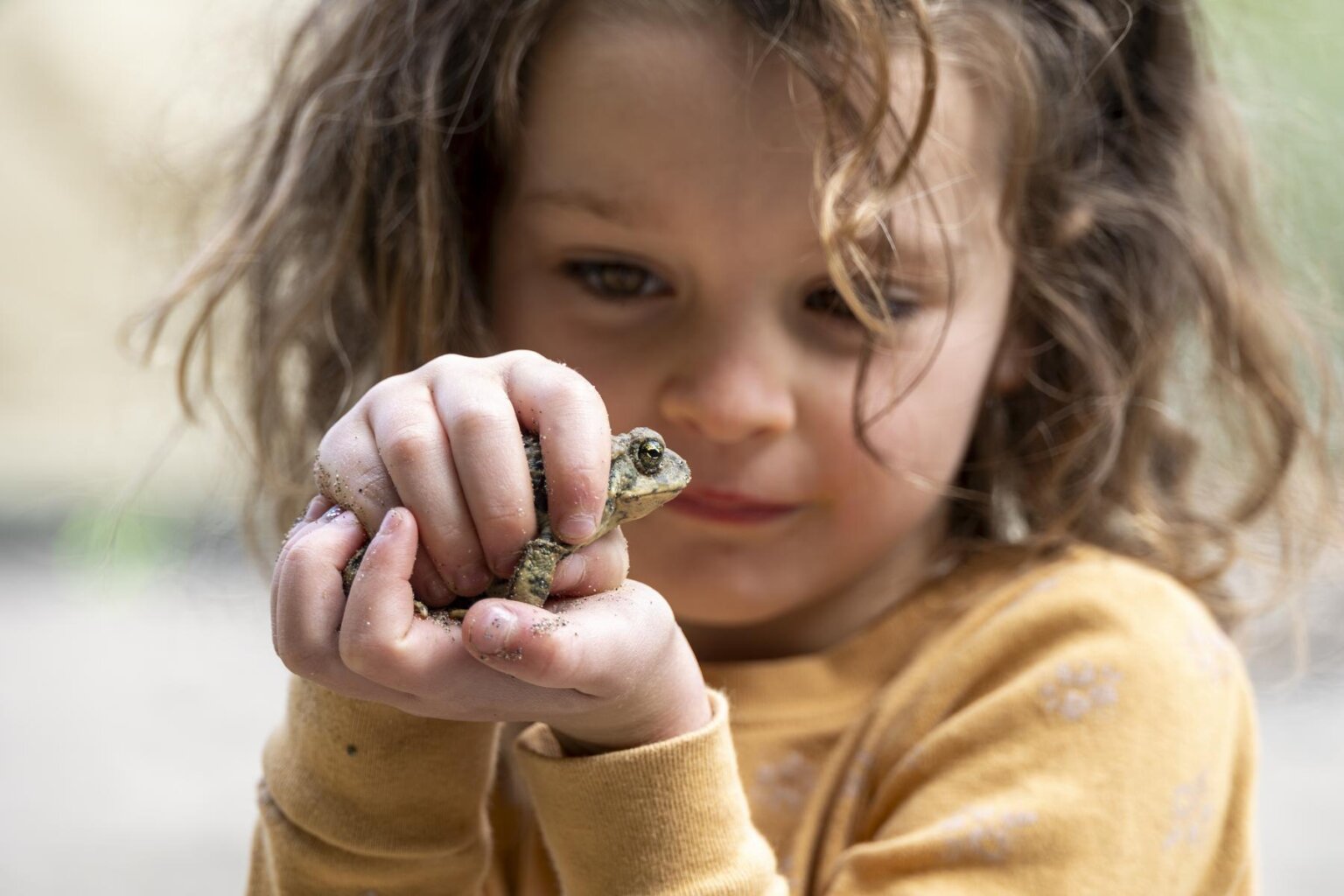
A commotion arose from a sandy patch at the far end of camp, where the kids were scattered. Two other families, one dad-daughter combination from Chicago and a mom, dad and two sons from the Bay Area were on the trip. Though they varied in ages, the kids bonded quickly, especially Penny and Kira, the 6-year-old-from Chicago. As the parents looked on, Penny held up an enormous toad.
“I just caught it in the sand,” she said with a giggle.
The four youngsters gently passed the protesting amphibian around before releasing him to the shelter of the willows. I smiled proudly. When she grows up, Penny says she wants to be a venomous snake milker.
Under the stars
As the skies dimmed, guides Kelby, Rachel and Katie served appetizers and then dinner, a hearty enchilada pie created by subtle mastery of campfire and Dutch oven. The fleeces and puffies came out. Dishes were scrubbed, dipped and dropped in the drying bag. The stars crept first into the eastern sky before spreading overhead. We retired to our tents and burrowed into the cushiness of warm sleeping bags on thick sleeping pads over soft sand.
For me, when it’s quiet and everybody is fed and bedded down, this is when the bliss hits. In those moments in the dark just before sleep, I find myself smiling, replaying the highlights of the day, letting those memories settle in deep. The worries I had at the start of the trip seemed far away. Spending time with my family in a beautiful natural setting is what’s most important to me, and it’s nice to have an experience that all of us from four to 74 enjoy.
The problem with trips like this is they go by too fast. Penny loosened up in the next day’s splashy rapids, laughing in the wave trains. We spotted a pair of bald eagles and watched countless turtles bonzai off rocks into the river. After three days of floating, swimming, digging in the mud, an impromptu attempt at the world’s longest hug between brothers and a perfectly cooked tri-tip, we drifted into the takeout. The goodbyes were long, but we eventually hit the road.
A few weeks later a postcard arrived from Penny’s new friend Kira. I have no doubt these two will do more river trips. Maybe they’ll even bring their dads.
New Klamath
The Klamath River is already showing signs of new life nearly a year after the last of four dams was removed. In 2025, salmon were observed in tributaries of the previously dammed sections of the river. Beaches are being replenished. Huge meadows of native flowers and plants are growing in the basins of the old reservoirs. Water quality in the river continues to improve, according to the Klamath Basin Monitoring Program. A group of Indigenous youth completed the first descent of the full river, from the headwaters to the mouth, a symbolic journey that highlighted the importance of the river for local tribes and a celebration of the dam removal.
Sign up for Our Newsletter