2026 Rafting Outlook: Navigating the Low Snowpack in the West and Finding Silver Linings
Where to Find the Best Whitewater Rafting in the West This Year
The 2026 whitewater rafting season is arriving on the heels of one of the driest, warmest winters the American West has seen in recent history. Across the board, this year’s April 1 SNOTEL data collected by the National Resources Conservation Service shows below-average snowpacks in every major river basin.
There’s no sugarcoating the data. “The snowpack is pretty darn low, and like anyone who cares about these rivers, we’re keeping a close eye on watersheds and reservoir levels,” says Seth Davis, OARS Director of Operations. “The 2026 rafting season is shaping up to be a low-water year across much of the West.”
“At the same time, low-water years bring positive complements to high-water years,” he continues.
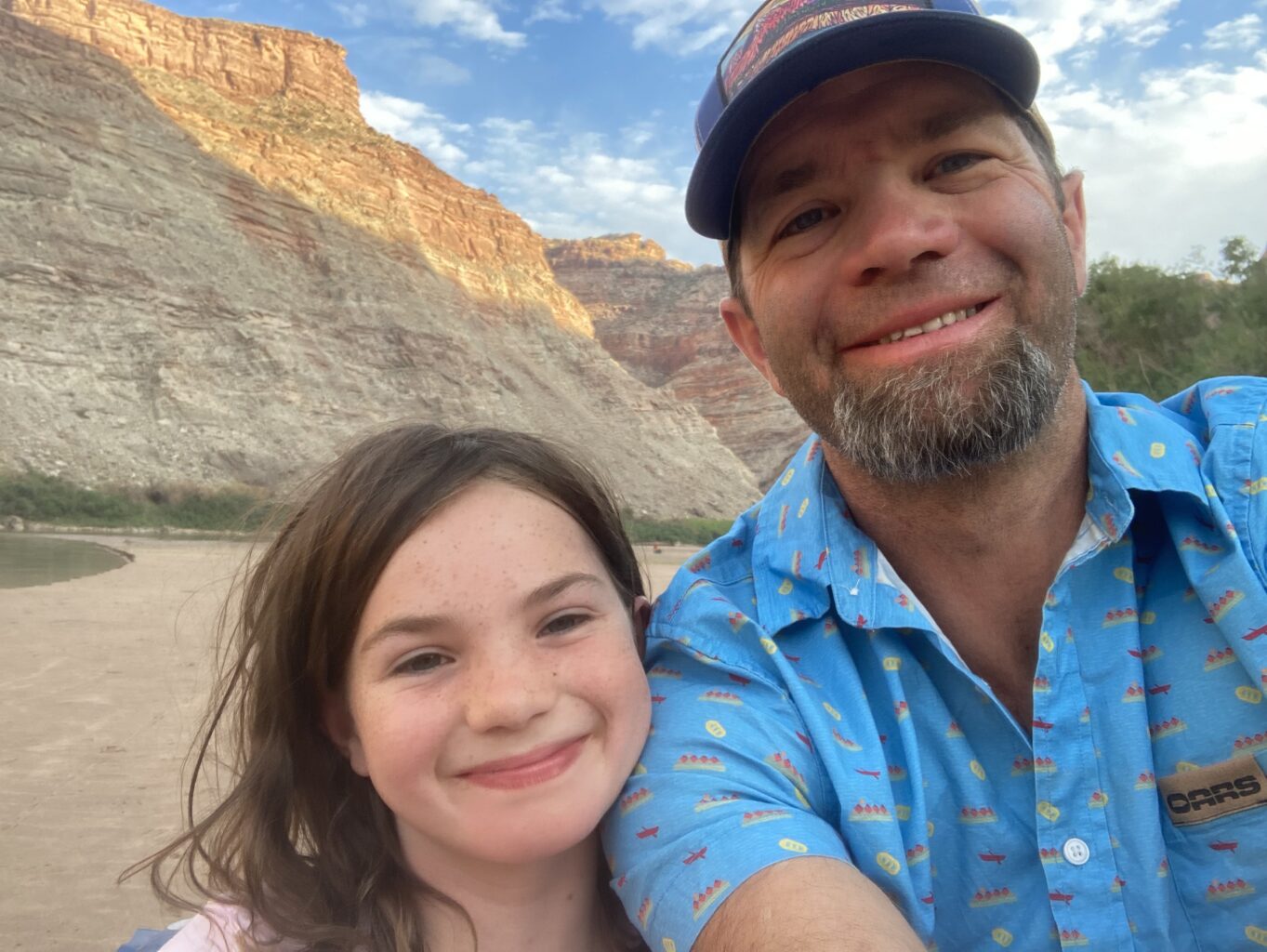
According to Davis, lower peak-flow periods will make trips accessible to more people earlier in the season, particularly families with younger kids. Other silver linings he points to are fewer bugs, more camp options, and a chance to experience rivers in a more intimate, technical way that many OARS guests end up loving.
“Most importantly, we’re still going rafting, just like we have for the past 57 years,” says Davis. “Our mission is to help people of all ages enjoy ‘the best experience of their lives,’ and our team has decades of experience adapting to a wide range of conditions to make that happen.”
Sharing his sentiments, OARS operations managers across the organization are optimistic about some of the benefits that moderate flows can provide. From the dam-controlled favorites like Idaho’s Snake River through Hells Canyon to Utah’s Gates of Lodore, “the emerald gem of the Colorado River System,” here is what you can expect for the 2026 whitewater season.
Key Takeaways: What to Expect for the 2026 Whitewater Season
While the high-volume, continuous wave-trains of a massive snowpack year might not be on the menu for 2026, here are some of the bright spots.
- With a relatively healthy snowpack compared to surrounding regions, Idaho is shaping up to deliver a classic whitewater season. Expect normal flows on the Salmon River and typical big-wave action on the Snake River through Hells Canyon thanks to dam releases.
- Despite a near-record low snowpack, healthy reservoir levels in California will keep dam-controlled whitewater favorites like the South Fork of the American River and Tuolumne River in play with reliable flows Memorial Day weekend through Labor Day on both stretches (with normal Thursday through Sunday water releases on the South Fork through September). However, free-flowing runs like the Merced River and North Fork American River will be short-lived, primarily in April with the potential for the Merced to run into mid-May.
- A historically low snowpack in Colorado means a brief season on free-flowing rivers like the Yampa, but outfitters are prepared to adapt and lean on a wide range of dam-supported and day-trip options to still provide quality whitewater rafting experiences.
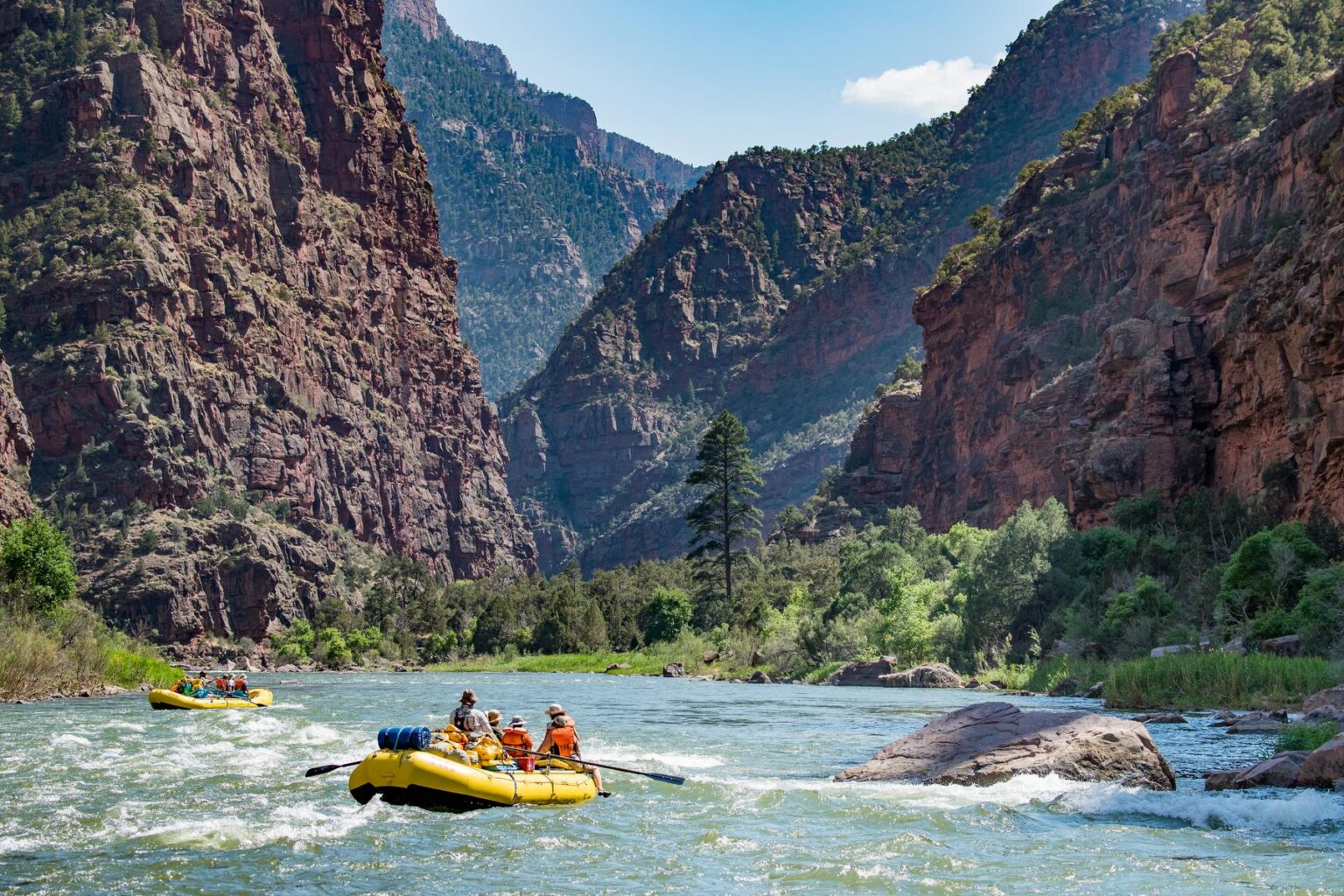
- In Utah, reservoir releases from Flaming Gorge will make trips on the Green River—especially Gates of Lodore and Desolation Canyon—the most reliable multi-day whitewater option in the region, with fun, consistent summer flows.
- Even in an extremely dry year, Oregon’s Rogue River remains one of the most dependable rivers in the West. Expect a slower pace, technical rapids, and an ideal setup for families, swimming, and scenic floating.
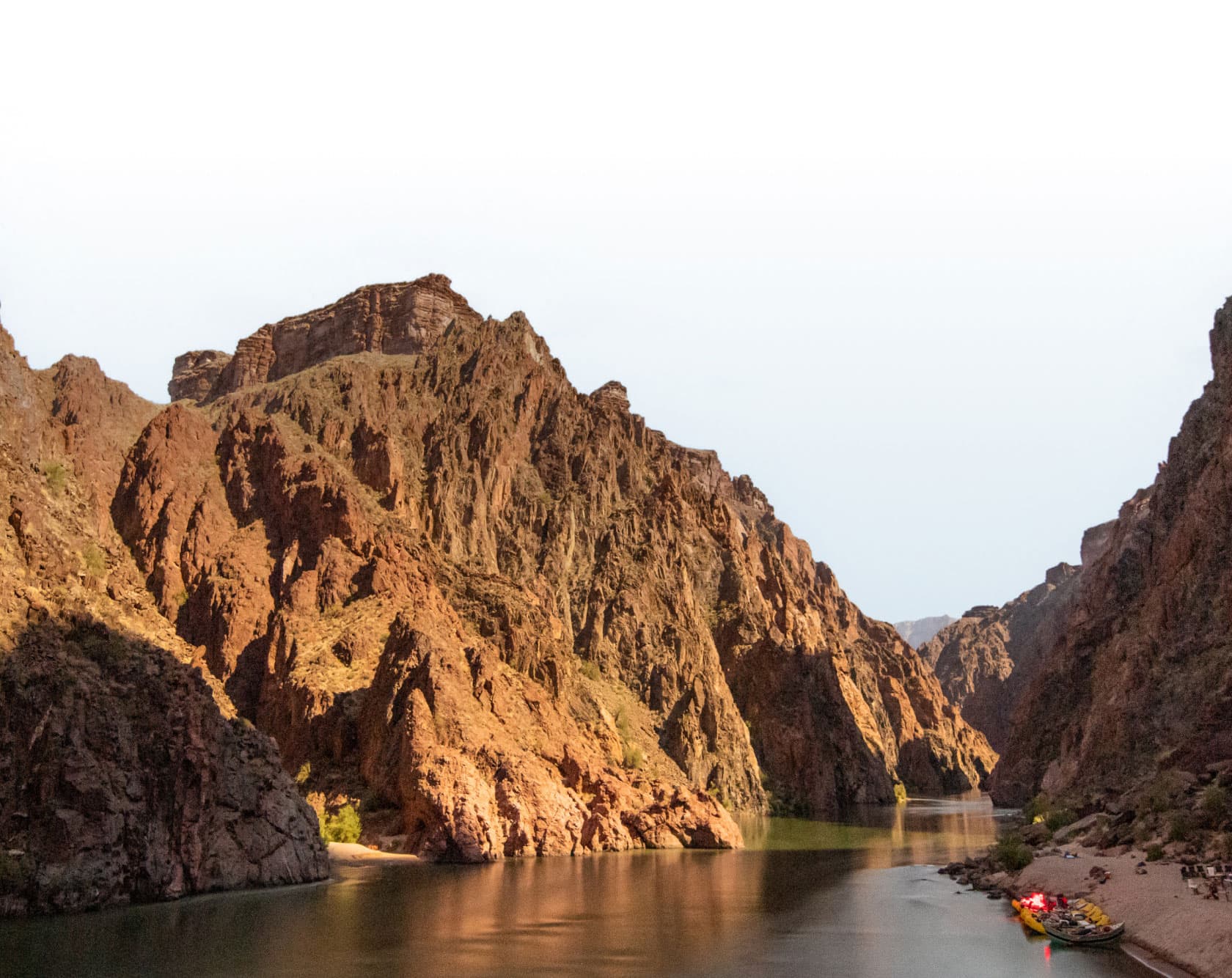
- While there are a number of uncertainties surrounding negotiations among the Upper and Lower Basin States about Colorado River allocations, and Lake Powell reservoir levels are at a historical low, Grand Canyon rafting operations are expected to be normal in 2026 since upstream water managers are mandated to send water downstream. How much water remains to be seen, but mid-summer flows are expected to be above the 5,000 CFS threshold.
Rafting Outlook by State
Idaho Emerges as the Regional Bright Spot with Big Splashes
Compared to the rest of the West, Idaho is looking like the region’s bright spot. While the snowpack for the Snake River and Salmon River basins is below average, it is healthy enough to provide a normal, predictable Idaho rafting season, according to Hillary Mosman, one of OARS Idaho’s Operations Managers.
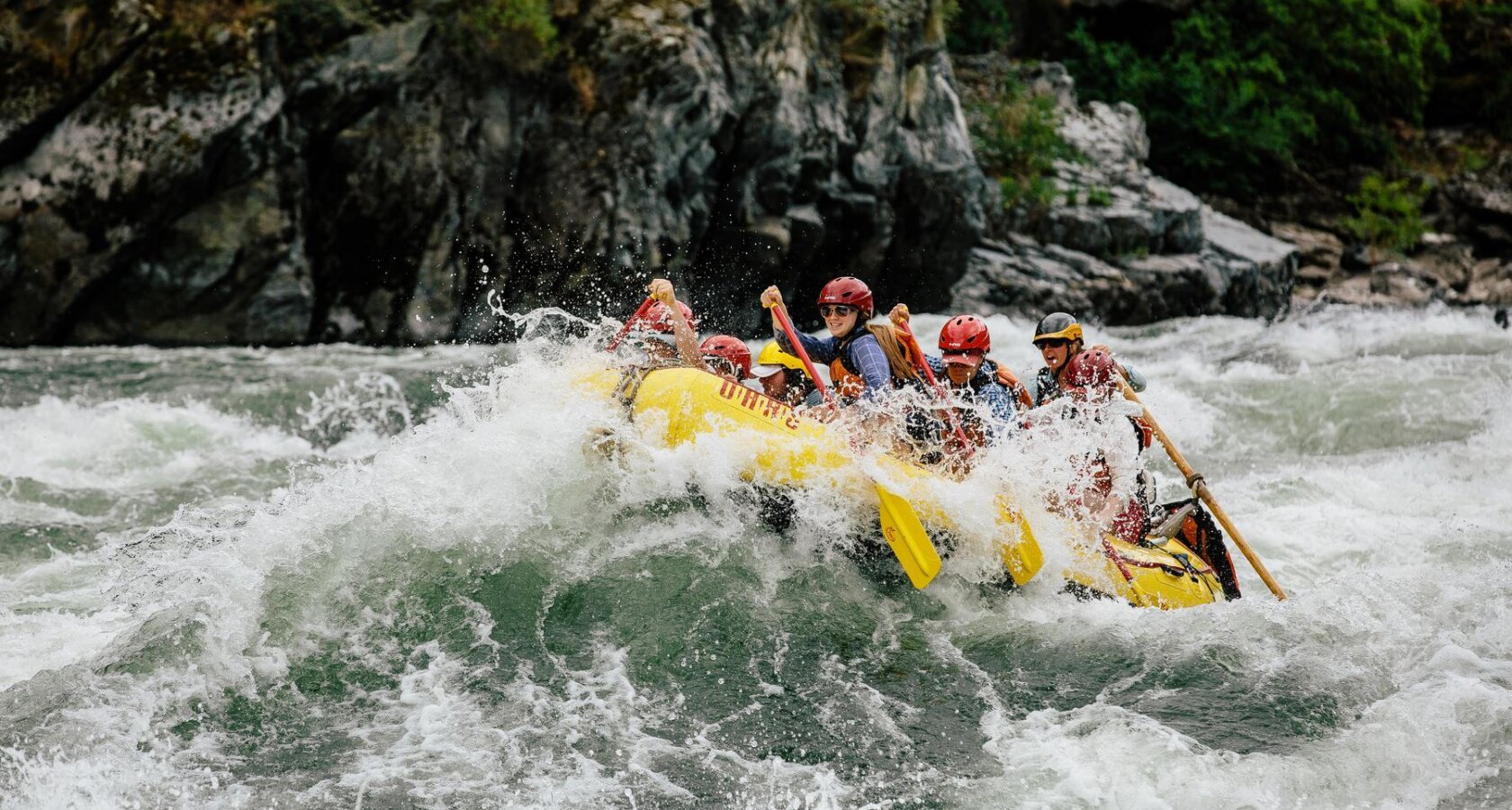
For rafters looking for guaranteed big-wave, big-volume whitewater, the Snake River through Hells Canyon is the best choice this season, says Mosman. Dam-controlled and reliable, Idaho Power guarantees a base flow of 6,500 CFS from upstream reservoirs, ensuring that dories and rafts will have plenty of deep, splashy water to navigate America’s deepest river gorge.
In the Salmon River basin, where the snowpack measured 72% of the April 1 average, Mosman says the next few weeks of weather will really determine when they’ll expect peak flows, but for most of the season, she anticipates normal flows on the Salmon in the 3,500 to 10,000 CFS range that guides and guests typically see on summer trips.
There is a common misconception that lower water equates to less adventure, but on the free-flowing Salmon River, the opposite is often true, explains Mosman.
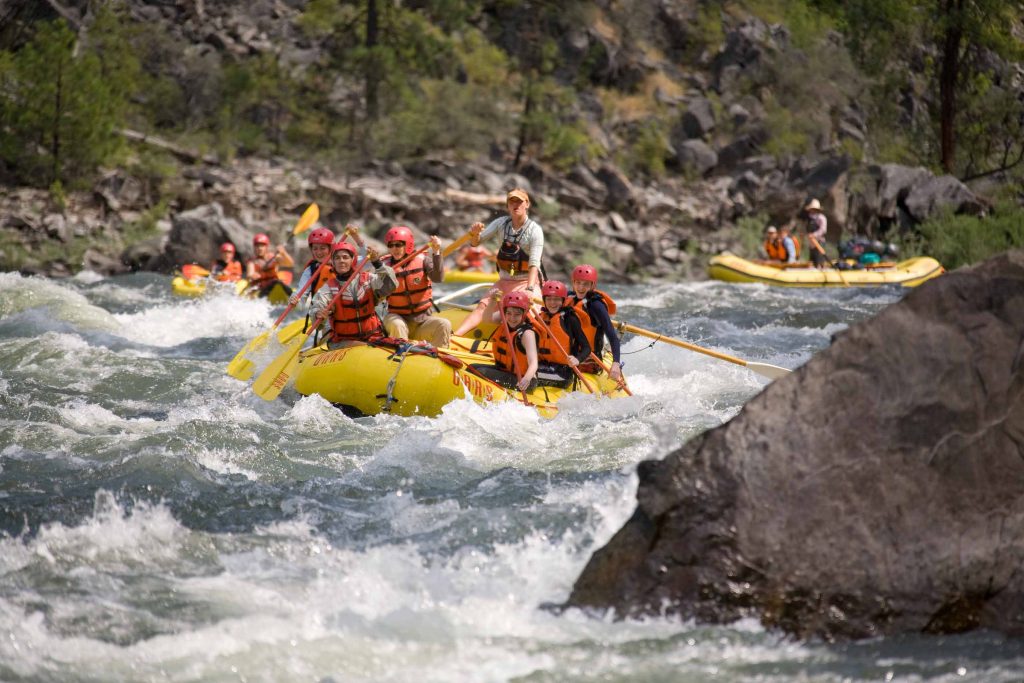
“Some of the biggest splashes, dips, dives, all of that happens on lower water Salmon River trips,” says Mosman. “Lower water is where you start hitting those features, finding those rocks, making waves, finding holes, and a lot of rapids start going off.”
Lauren McCullough, OARS Idaho Co-Operations Manager, agrees, pointing out that specific, famous rapids only emerge when the water drops below 10,000 CFS. “One of my favorite rapids on the Main Salmon River is Vinegar Creek, which is near the end of the trip and it only comes out when the water’s lower,” McCullough notes.
For the Owyhee River on the border of Idaho and Oregon, the Idaho Department of Resources shows the snowpack is sitting at roughly 21% of average as of the first week of April. “While current levels suggest we aren’t likely to be able to run the Owyhee as planned, the season isn’t over,” says Mosman. “We are keeping a close eye on these numbers, but we aren’t throwing in the towel just yet. A late-season boost in precipitation could still provide the surge we need to navigate the river’s unique canyons.”
Expect Reliable Fun on California’s Popular Whitewater Rivers
The Sierra Nevada snowpack is roughly 18% of the historical April 1 average, a near-record low caused by a remarkably hot, dry March. This might seem like a dire situation for the California rafting season, but because of the incredibly wet winters of 2023 and 2024, water managers are reporting that state reservoirs are at 126% of their historical average.
This backstock of water bodes well for dam-controlled runs, specifically the South Fork of the American River and the Tuolumne River near Yosemite, which will see reliable, base flows all season long.
“These base flows can seem low when compared to the high water we typically see from mid-May to mid-June,” says Tyler Wendt, President of OARS. “But they are actually super fun and splashy, epitomizing the classic California Class III and Class IV whitewater experience.”
“We’ve actually been told it’s reasonable to expect some pretty great ‘Goldilocks’ levels, between 2,000 and 3,000 CFS, on the Tuolumne in May and into mid- to late-June,” says Wendt.
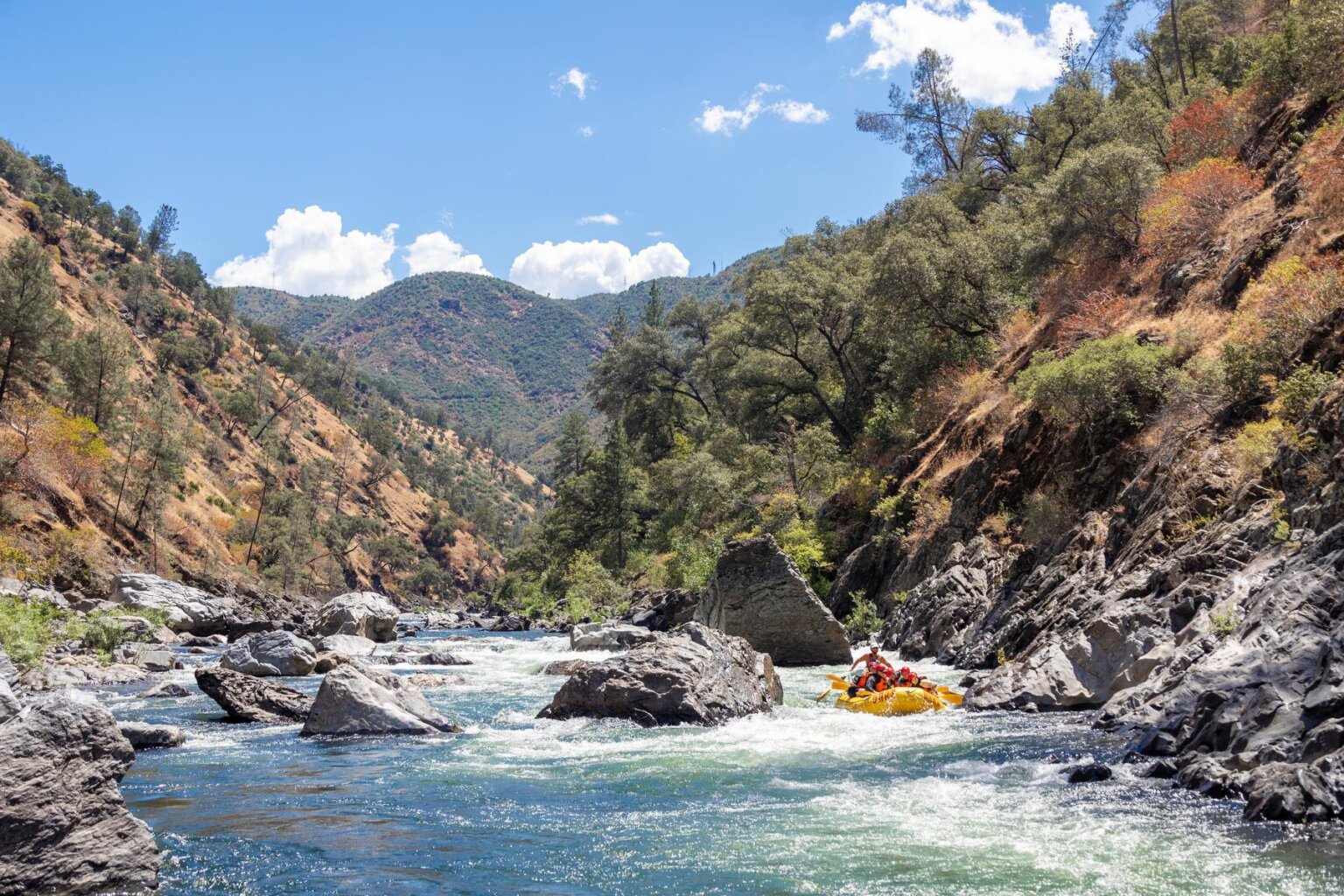
“For both rivers, normal summer releases from upstream reservoirs will be on tap six days of the week through Labor Day—and then Thursday through Sunday water on the South Fork for the balance of September,” he continues.
For South Fork American River rafting trips, Brian Kallen, OARS California Operations Manager, anticipates flows around 1,300 to 1,500 CFS.
“It’s a normal water year, which means it’s a great year for families to come out,” says Kallen.
Kallen also points out that while California’s free-flowing rivers like the North Fork of the American and Merced River that rely primarily on snowmelt will be out of play very early this season, the South Fork American and Tuolumne will be a great option for people looking to escape the heat in peak summer months.
“Clear water, warm to hot daytime temperatures, and no bugs—this is going to be a great year for California rafting,” adds Wendt.
Low Water Doesn’t Mean “No Water” in Colorado
While it’s widely been reported that it’s the “worst snowpack for Colorado in recorded history,” many rafting outfitters are remaining optimistic and saying it’s too early to know what that means for the approaching season since April and May can often bring more snow and rain.
Like many states, Colorado also has a diverse system of dams and river basins that allow rafting companies to adapt during drier years, oftentimes leaning on water releases from upstream reservoirs for popular trips like the Arkansas River.
For those looking to experience a free-flowing river like the Yampa on the border of Colorado and Utah, however, May will likely be your only chance, according to Bruce Lavoie, OARS Dinosaur Operations Manager and Director of Risk Management.
Due to a meager 30% snowpack and an unseasonably early melt, the Yampa is expected to have a very short window for rafting this season. Once the Yampa drops, the dam-controlled Green River, which converges with the Yampa in Dinosaur National Monument, will step into the spotlight.
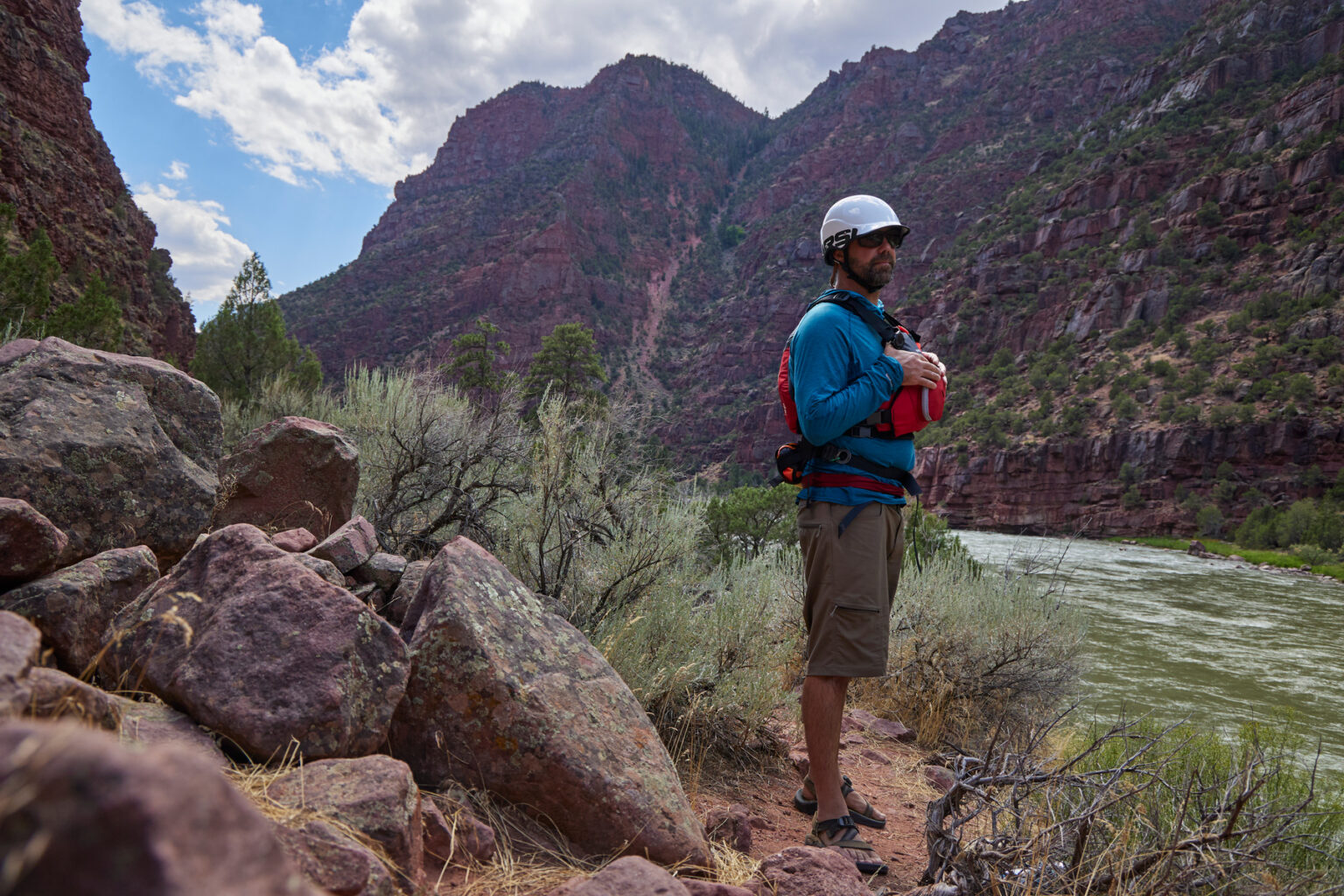
Head to Utah for the “Emerald Gem” of the Colorado River System
Despite below average snowpack numbers across the state and in the Upper Colorado River Basin, the Green River is expected to be a bright spot for the Utah rafting season this year.
To help bolster the struggling water levels in downstream reservoirs like Lake Powell and Lake Mead, the Bureau of Reclamation is expected to initiate its Drought Contingency Plan sometime in June, which will mandate water releases from Flaming Gorge Reservoir into the Green River.
Despite the larger implications this has for the drought-stricken region and the stalled Colorado River negotiations, the silver lining is that classic whitewater trips like the Gates of Lodore and Split Mountain Canyon day trips will see healthy base flows throughout the summer.
“Gates of Lodore is going to be the emerald gem of the Colorado River System this season,” says Lavoie.
Right now, Flaming Gorge is expected to bring base flows up each month, beginning with an elevated flow event sometime in June, according to Lavoie. From there, he expects base flows in the 1,000 – 3,000 CFS range for the rest of the season. “If water releases go to 2,800 CFS for the summer, it’s a really fun, splashy, and exciting water level,” says Lavoie. “And that doesn’t change the classification of the river—just makes it a really enjoyable trip.”
The Green River through Desolation Canyon will also be more resilient to lower flows this season thanks to Flaming Gorge Reservoir. OARS Moab Operations Manager, John Covington, expects reliable flows that will be extra fun for paddlers to navigate on their own in inflatable kayaks, which OARS offers on every trip.
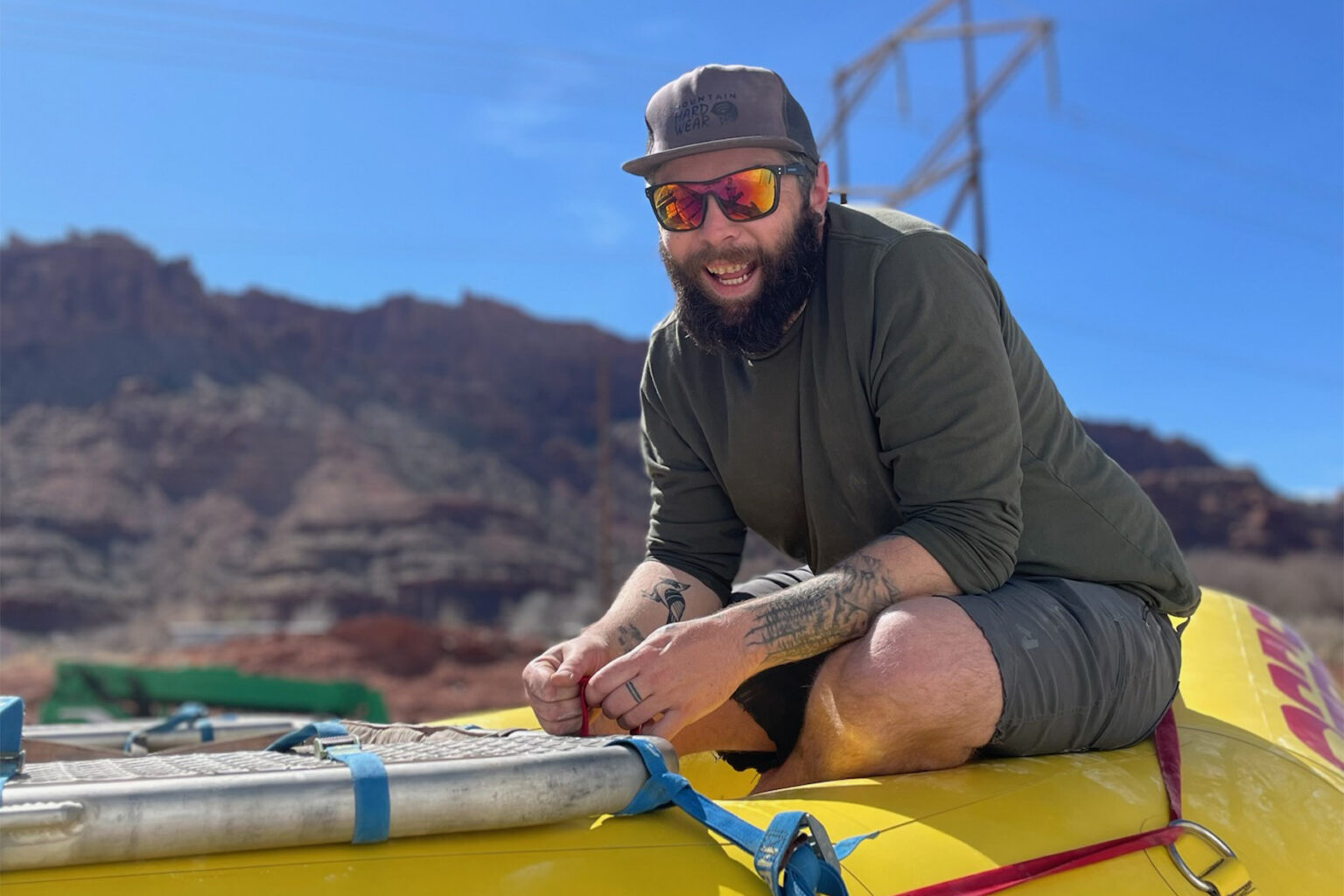
Meanwhile, the snowpack numbers for the Upper Colorado River Basin and the San Juan River are sitting in the 20-29% range and Lake Powell’s water levels are at a precipitous low.
This means, Colorado River rafting trips through Cataract Canyon, which is known for its legendary early season big-water with typical peak flows in a healthy runoff year in the 30,000 – 50,000 CFS range, will see a much earlier, lower peak flow than in recent wet years. Right now, the Colorado Basin River Forecast Center’s median peak flow projection for Cataract Canyon is 14,500 CFS, but Covington doesn’t expect peak flows to exceed 10,000 CFS.
Talk to any veteran river guide, however, and they will tell you that a low-water year in Cataract Canyon can bring its own kind of excitement and surprises. “Low water in Cataract Canyon is amazing because of the technical boating aspect,” says Covington.
At lower levels, the river’s massive, chaotic wave-trains transform into a highly technical slalom course and navigating the famous Big Drops becomes an exercise in precision, he explains.
“The Big Drops kind of sneak up on you,” says Covington. “Big Drop 1 has big big hits in it at 4,500 CFS and Big Drop 2 you end up running to the right side, which is a really big pull move, very reminiscent of a big Grand Canyon rapid.”
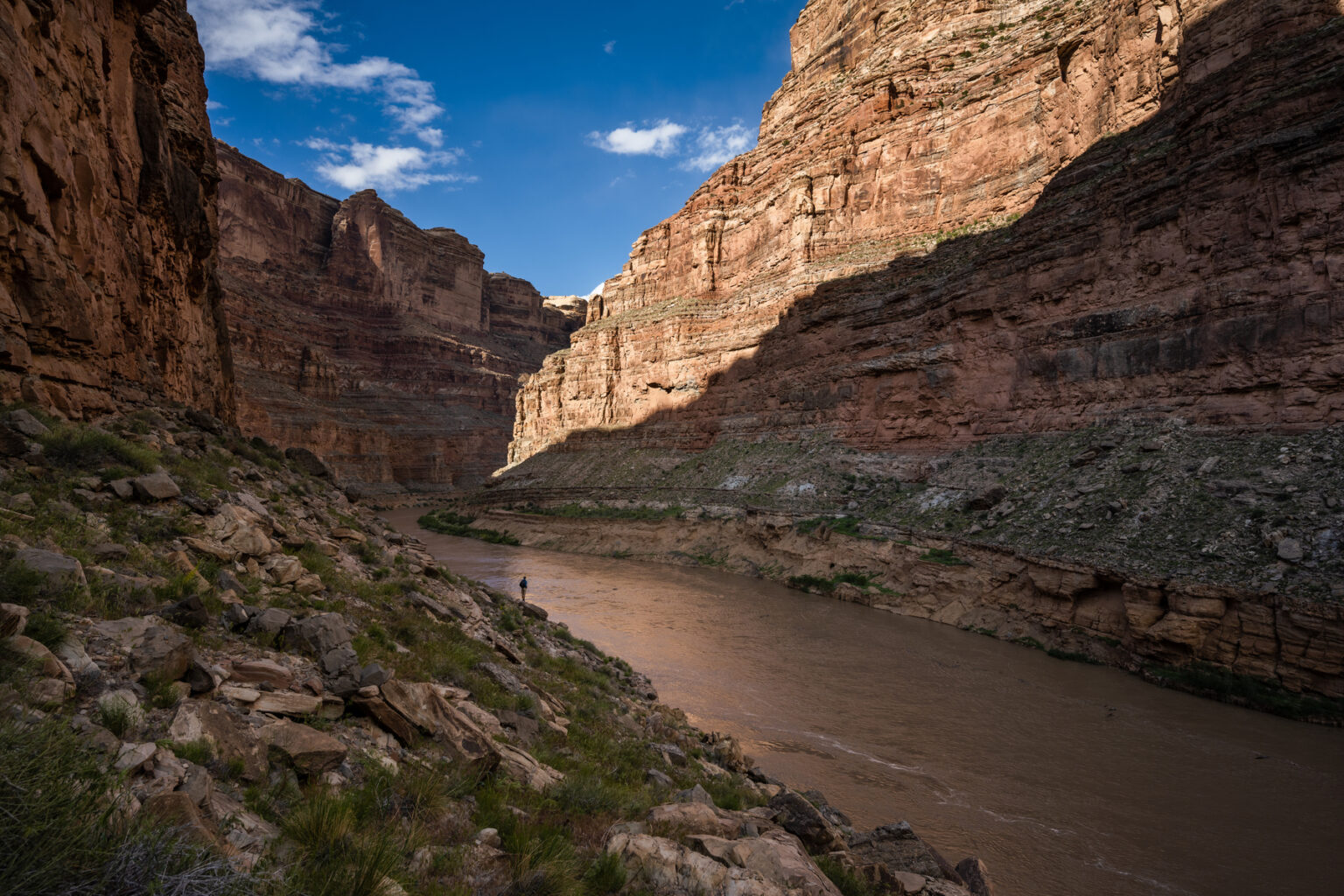
Lower water also means more options for paddle boats, inflatable kayaks and stand-up paddleboards, which can bring an added level of excitement to the trip. “Paddle boats are awesome down there,” Covington adds. “In years past, it’s been months before we put out a paddle boat on a Cataract Canyon trip because the water’s too high.” This season he says they’ll be available on every trip with 11 or more guests.
Covington adds that as Lake Powell recedes, the river is actively carving away decades of sediment, unveiling “Returning Rapids” like Gypsum Rapid, which now has a Class IV hole at some water levels.
Further south on the San Juan River, the water will be low and slow, but that is actually a massive perk for families and anyone who likes to swim, Covington points out. Boosted by reliable releases from the Navajo Dam and summer monsoon storms, the San Juan at lower flows offers a deeply relaxed, scenic pace.
Oregon Offers Dependable and Laid-Back River Vibes
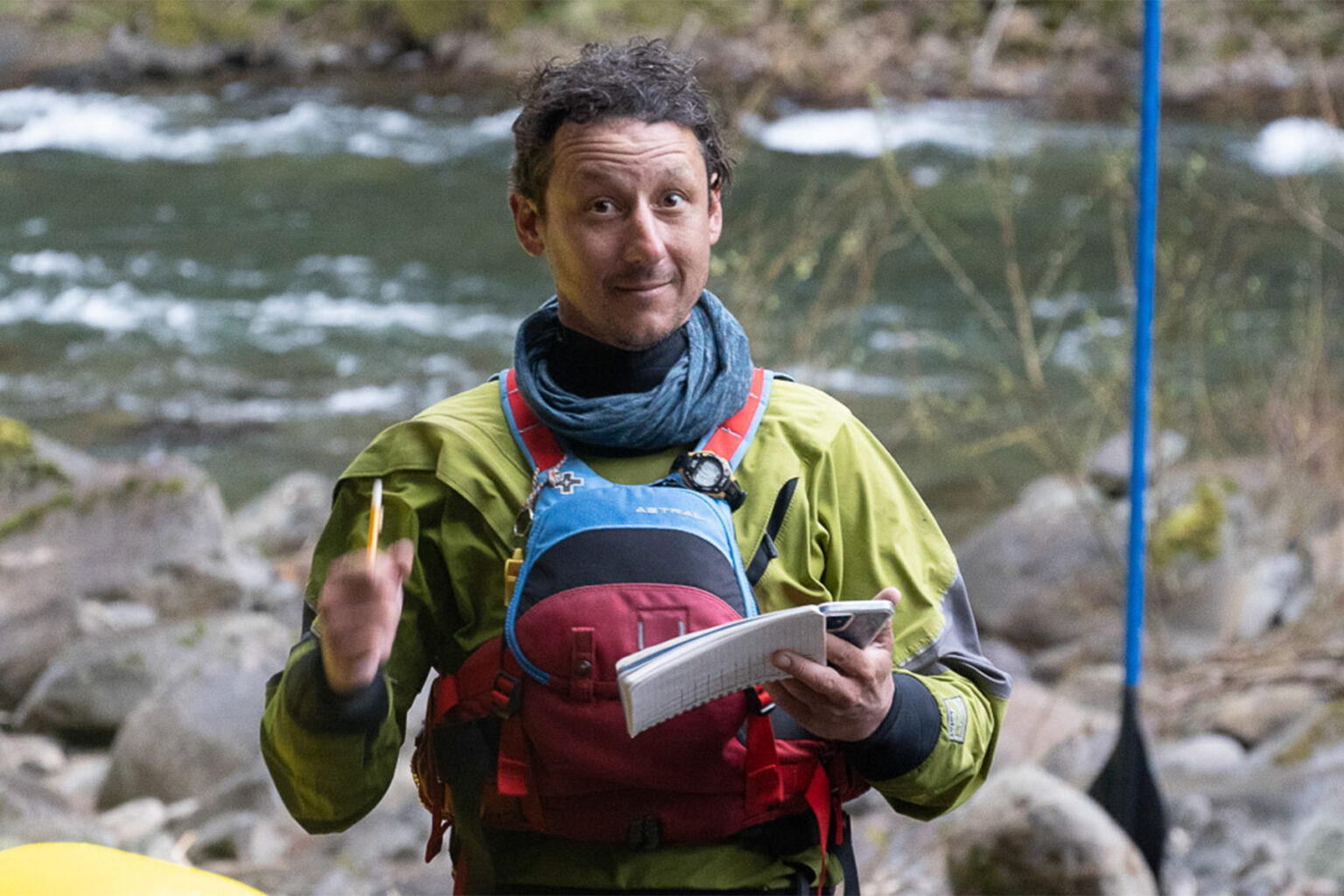
Oregon’s Rogue and Klamath Rivers are experiencing the same historic snow drought as the rest of the Pacific Northwest, with the Rogue basin sitting at 8% of normal and the Klamath River basin at just 3%. But if there is one river that is perfectly suited for a low-water Oregon rafting year, it’s the Rogue.
“What’s so cool about the Rogue River is that the flows don’t really matter. Whether it’s high flow or low flow, it’s still a great trip,” says Dustin Abbott, OARS Oregon Operations Manager. “I’ve never not been able to boat the river.”
While the rapids in a lower flow season will be tighter and the pace of the river slower, he explains that the pristine beauty of Southern Oregon remains entirely intact and the river at lower flows is great for families, inflatable kayaking, and swimming in the river.
Rafters can also look forward to exploring the river’s famous groundwater-fed side streams, like Whiskey Creek and Mule Creek, which will continue to flow all season long and provide perfect, cool stops on hot summer days, according to Abbott.
Over on the Lower Klamath, outfitters are still navigating exciting, yet uncharted territory following the historic removal of four dams.
However, Abbott anticipates that the upstream dam releases and numerous tributaries feeding into the Lower Klamath will provide enough water to keep the river boatable all season long, but people should expect a casual, “low and slow” river experience that is perfectly suited for unplugging from the chaotic pace of modern life.
Grand Canyon Rafting Season Expected to be Normal
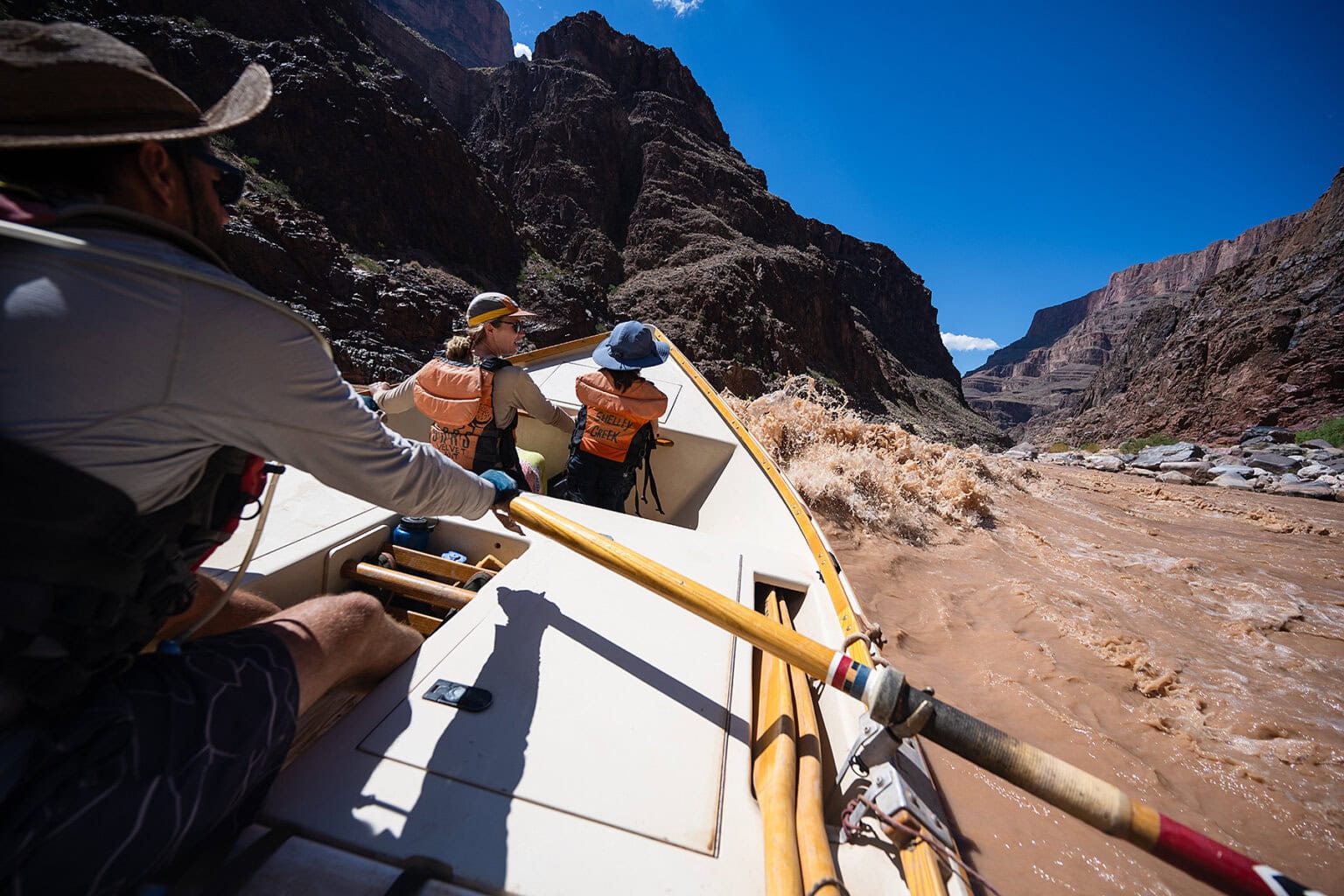
The snowpack across the Upper Colorado River Basin is sitting well below average this year, contributing to ongoing concerns about inflows into Lake Powell and the broader Colorado River system. Still, for the 2026 Grand Canyon rafting season, operations are expected to be normal.
The flows through the Grand Canyon are heavily managed by the Bureau of Reclamation to ensure consistent power generation and water delivery to the Lower Basin states. Because California holds senior water rights, a significant volume of water must legally be released from Glen Canyon Dam to meet downstream demands,” according to Lars Haarr, OARS Grand Canyon Operations Manager.
Colorado River negotiations are currently at a standstill, but for now, a continuous, reliable flow of water is expected to be sent through Grand Canyon, despite perilous low reservoir levels at Lake Powell.
“One of the complications for this year is that the Upper Basin and Lower Basin states were unable to reach an agreement in terms of water delivery and what that will look like,” explains Haarr.
“But all the people that I have talked to say Arizona will see some significant cuts in water in July,” says Haarr. “What that means for Grand Canyon remains to be seen, but I’m expecting lower than typical flows for summertime, but they’re going to keep releasing enough water to keep us above that 5,000 CFS threshold.”
While summer flows might be lower than they were in a massive snowpack year like 2023, Haarr says there will be plenty of water for OARS to float its iconic dories and rafts.
“Every level in the Grand Canyon is fun no matter what,” assures Haarr.
A low-water year without heavy monsoon rains often brings clearer water, bigger beaches, and a more technical, engaging ride through the canyon, adds Haarr.
The Final Word
Since OARS launched its first commercial river trip back in 1969, we have navigated every type of water year Mother Nature can throw at us. From the epic, record-breaking high-water floods of 1983 to the benchmark droughts of 2002 and 2015, we have learned that while high water brings the adrenaline, low water brings an entirely different—and often more intimate—kind of magic to the canyons we run.
Even in drier years, the West’s reservoir system, when bolstered by healthy storage, helps ensure reliable, near-normal flows on many of the most iconic dam-controlled rivers.
Sign up for Our Newsletter