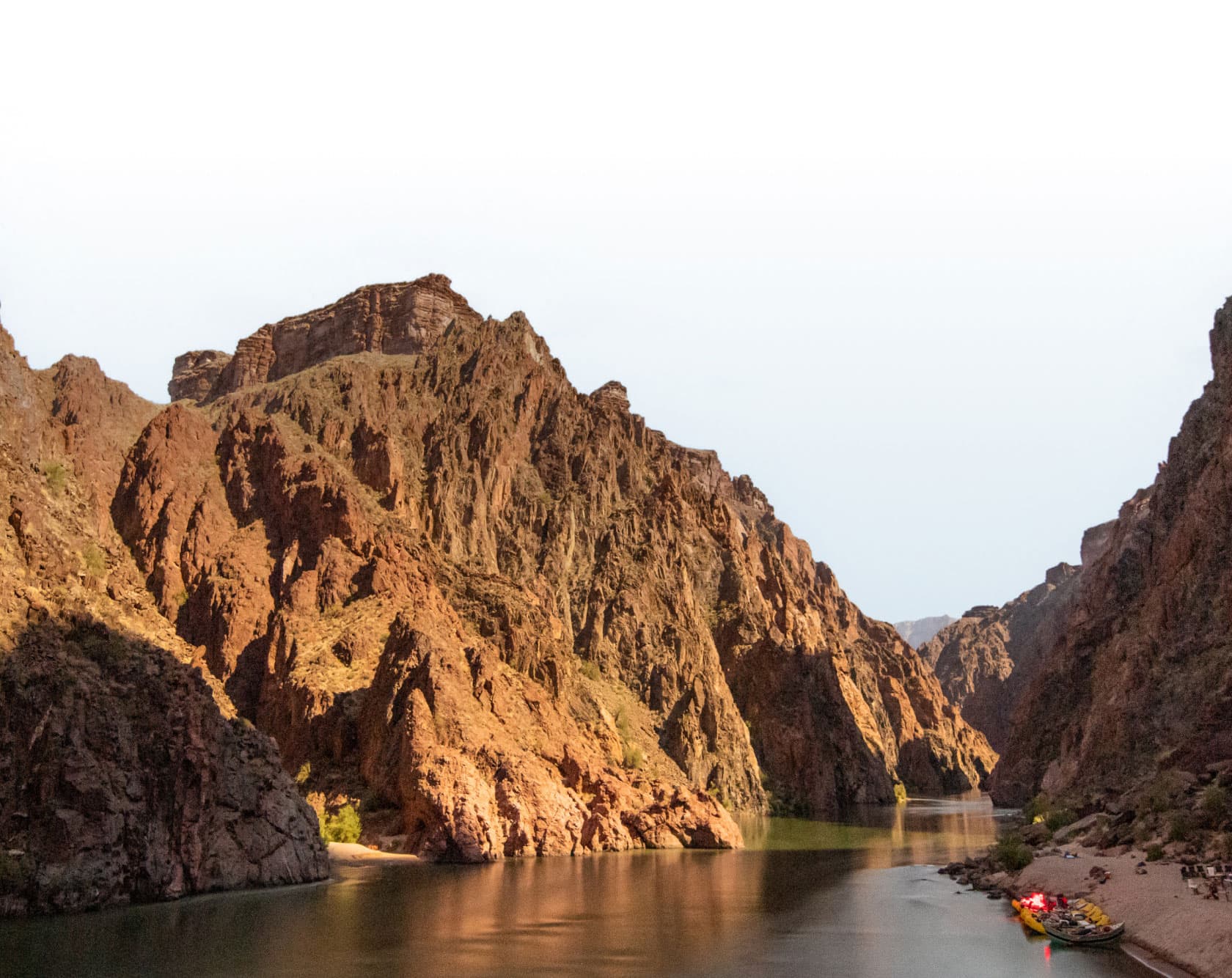
Defend the Roadless Rule, Protect Our Rivers
On August 18th, the U.S. Forest Service released their draft Environmental Impact Statement (DEIS), which proposes a full repeal of the 2001 Roadless Rule, initiating a brief 30-day window for public feedback. This move signals a definitive push by USDA Secretary Brooke Rollins to completely revoke these vital protections.
Why the Roadless Rule Is Important for Rivers
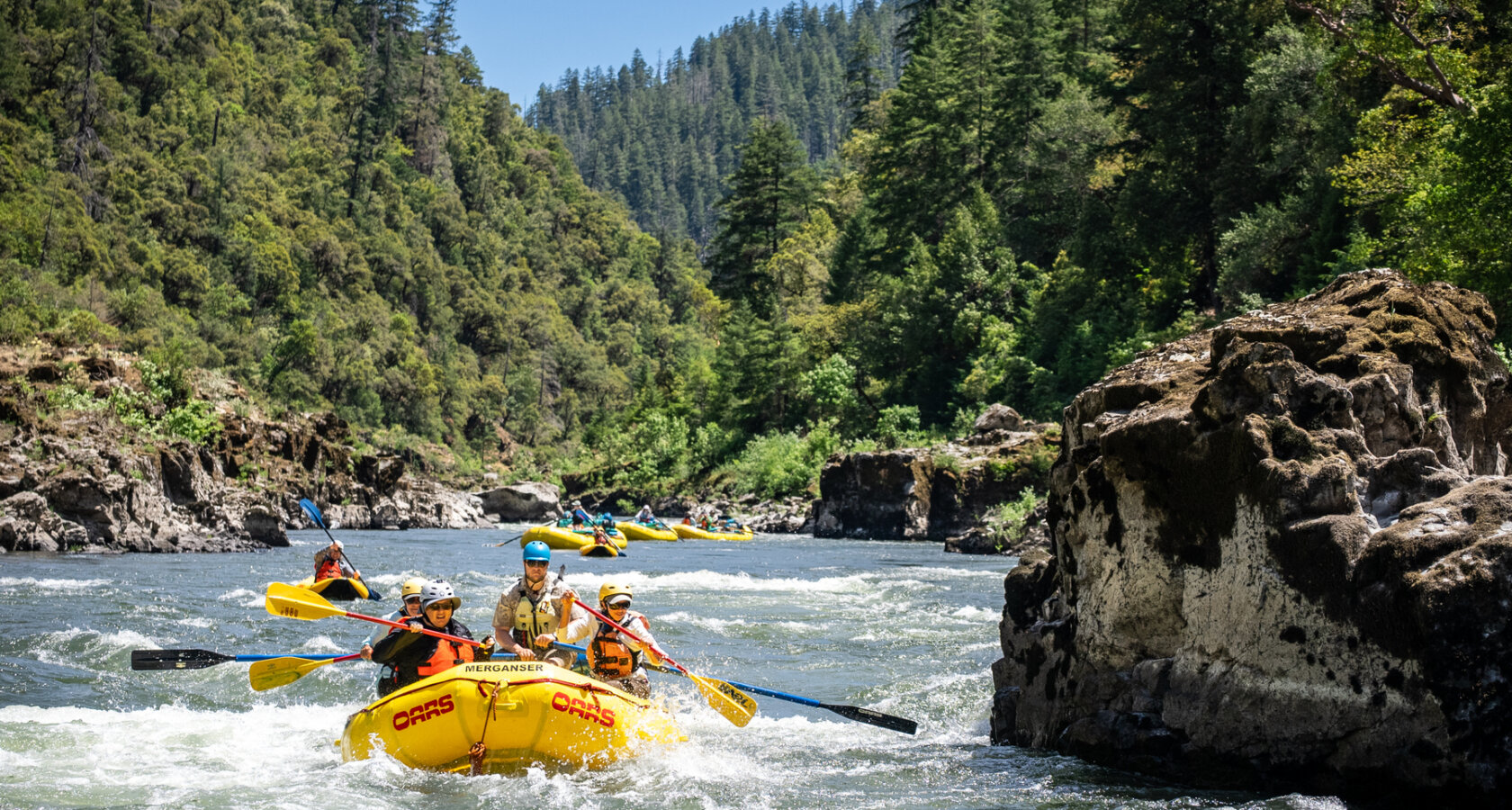
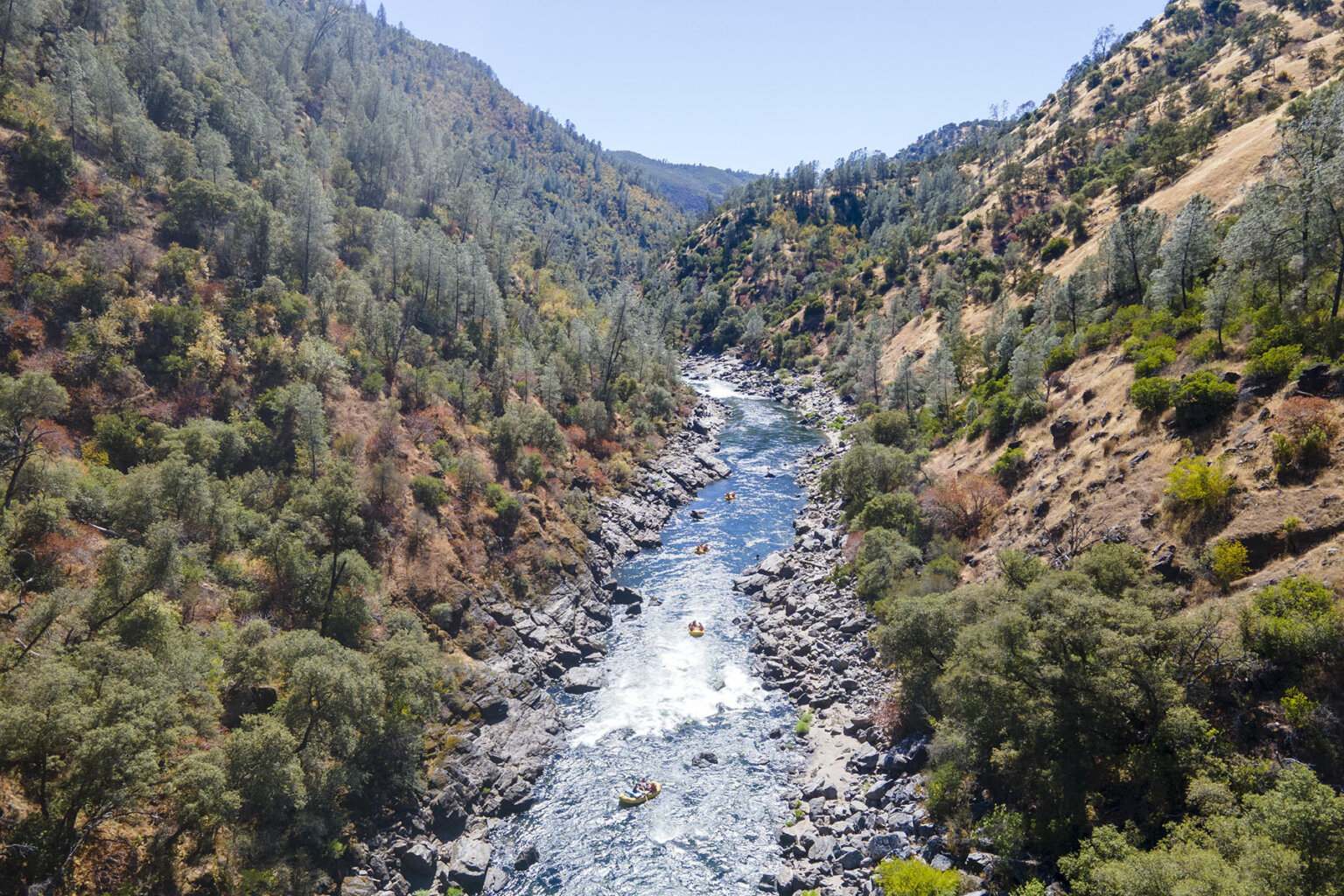
At OARS, we’ve built our business on a simple belief: the surest way to protect a wild place is to help people experience it for themselves. For more than five decades, we’ve guided guests down the Colorado, Rogue, Tuolumne, Salmon, and many other rivers that wind through America’s national forests and public lands, operating on wild stretches that remain pristine. These places exist in their present form in no small part because outfitters and our guests have fought to keep them that way. That history is why the USDA’s Roadless Rule matters so much to us today. It isn’t an abstract regulation to our guides and our guests—it’s precisely what helps make the wild, free-flowing rivers so valuable.
Our founder, George Wendt, launched our first commercial Grand Canyon trips in 1969, at a moment when the fight to save that very canyon from being dammed had only just been won. Through this fight and many others, George spent the next 47 years dedicating OARS to river conservation and supporting sustainable economic use of our federal public lands. Today, the OARS team is proud to carry on that legacy. Our company is once again standing up to conserve pristine river corridors currently threatened by the loss of existing protections under the Roadless Rule.
For nearly a quarter century, the USDA’s 2001 Roadless Area Conservation Rule has protected roughly 44 million acres of undeveloped national forests from new road construction, most commercial logging, and access for other harmful development, including mining across ten Western states—Alaska, Arizona, California, Montana, Nevada, New Mexico, Oregon, Utah, Washington, and Wyoming. While roadless areas are not limited to the West, these ten states hold more than 95% of the remaining inventoried roadless acreage nationwide.
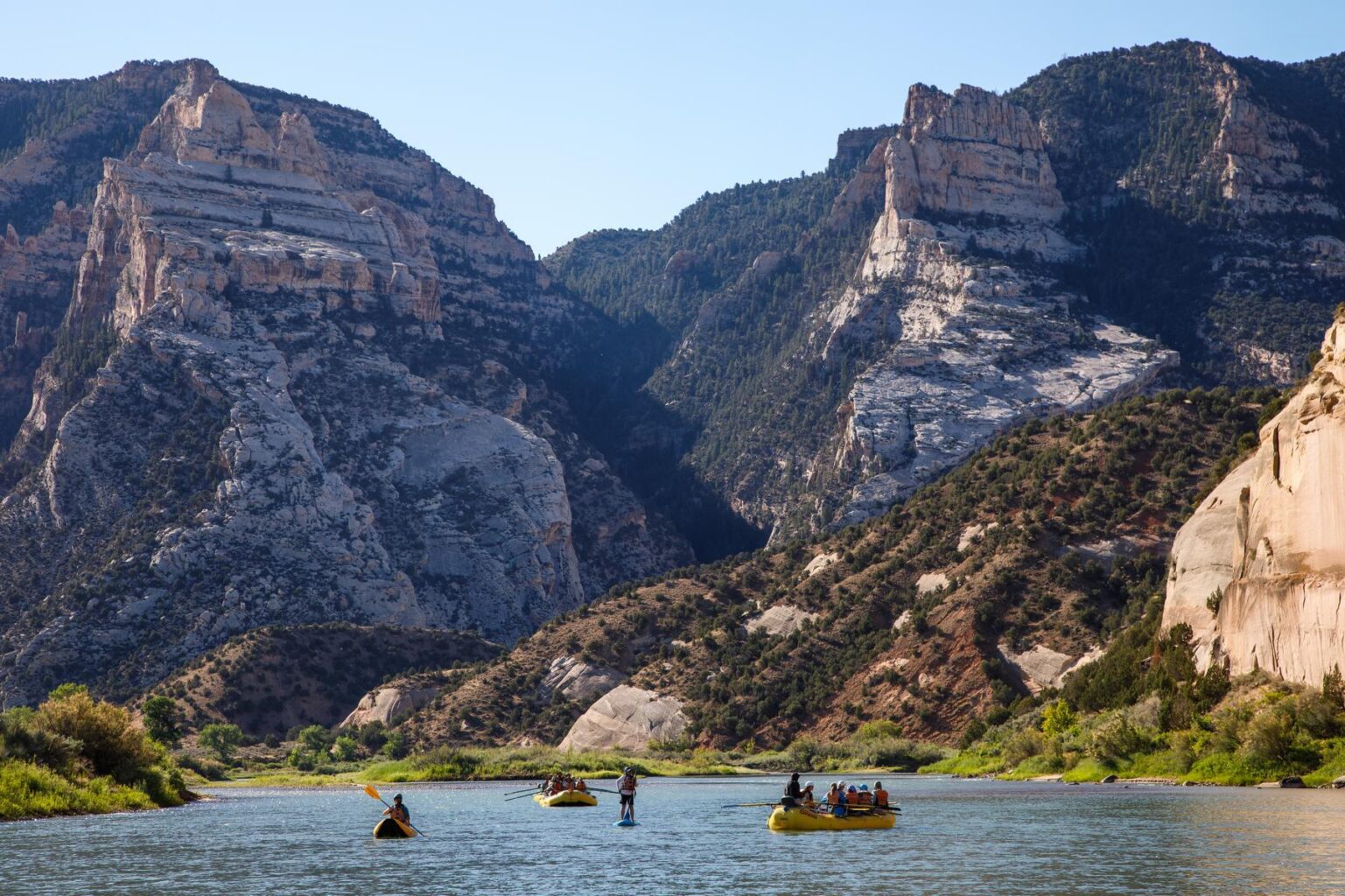
The rule is often discussed in terms of wildlife habitat and old-growth forest, but one of its most consequential—and underappreciated—effects is on the health of America’s rivers. From the sources that supply drinking water to millions of Americans, to the whitewater runs that anchor a multibillion-dollar recreation economy, the Roadless Rule is fundamentally a rivers policy as much as it is a forest policy. Unfortunately, the USDA has proposed to rescind the Roadless Rule and eliminate existing protections for tens of thousands of rivers across national forests, including the Rogue River in Oregon, the Green River in Utah, and the Tuolumne River in California.
Our colleagues at Trout Unlimited have developed an excellent interactive map detailing every inventoried roadless area. This tool provides an intuitive way to identify these remote landscapes and visualize their critical proximity to our nation’s vital river systems.
Roadless Forests Are Watershed Protection
Roadless Areas preserve some of the most intact freshwater habitat remaining in the National Forest System, precisely because they’ve been spared the fragmentation, disturbance, and invasive organisms that roads bring. These undeveloped watersheds function as strongholds for imperiled aquatic species and riparian habitat for wildlife. For anglers, hunters, and whitewater boaters alike, roadless areas represent some of the last, best freshwater habitat in the country—a resource that, once degraded by road-building, is exceptionally difficult, perhaps impossible, to restore.
Our partner, American Rivers, found that over 80,000 miles of rivers in the continental U.S. protected by the roadless rule supply drinking water for 25 million Americans downstream. Turn on a tap in Salt Lake City, Bozeman, or many smaller adventure gateways and there’s a good chance the water originated in a remote, roadless forest stream. In national forests in Utah, Oregon, and California where OARS runs trips, protections for nearly 6,000 miles of rivers would be lost. These rivers supply the drinking water for nearly 500,000 people.
Rivers as Economic Engines
Roadless national forests protect the wild character of rivers that underpin a substantial outdoor recreation economy. The outdoor recreation industry contributes hundreds of billions of dollars annually to the U.S. economy, and water-based recreation—rafting, kayaking, fishing, canoeing—is one of its most visible and fastest-growing segments.
Roadless areas preserve the wildlife habitat and wilderness character that is central to the whitewater experience itself. Much of what outfitters are sharing is not just moving water but the sight of abundant wildlife and an utter feeling of remoteness—the absence of roads, clearcuts, and industrial development along the riverbank. Once a road is punched into a watershed, that experience is permanently altered.
River Protections Worth Keeping
The Roadless Rule was never solely about trees. It is, in large part, a rivers policy—one that protects drinking water at its source, sustains the ecological conditions that make our rivers among the best in the world for boating and fishing, and underwrites a recreation economy that depends on those rivers staying wild. For downstream water users and for the guides, outfitters, and small towns that depend on clean drinking water and healthy whitewater, retaining the rule protects an asset we can’t afford to lose. If we allow the Forest Service to rescind the Roadless Rule, the decision will cascade downstream to every community, farm, and ecosystem that depends on the rivers flowing from our national forests.
Please join OARS, American Rivers, The Conservation Alliance, Trout Unlimited, Backcountry Hunters and Anglers, and outdoor enthusiasts across the country today to defend protections for wild rivers by opposing rollbacks to the Roadless Rule.
Sign up for Our Newsletter