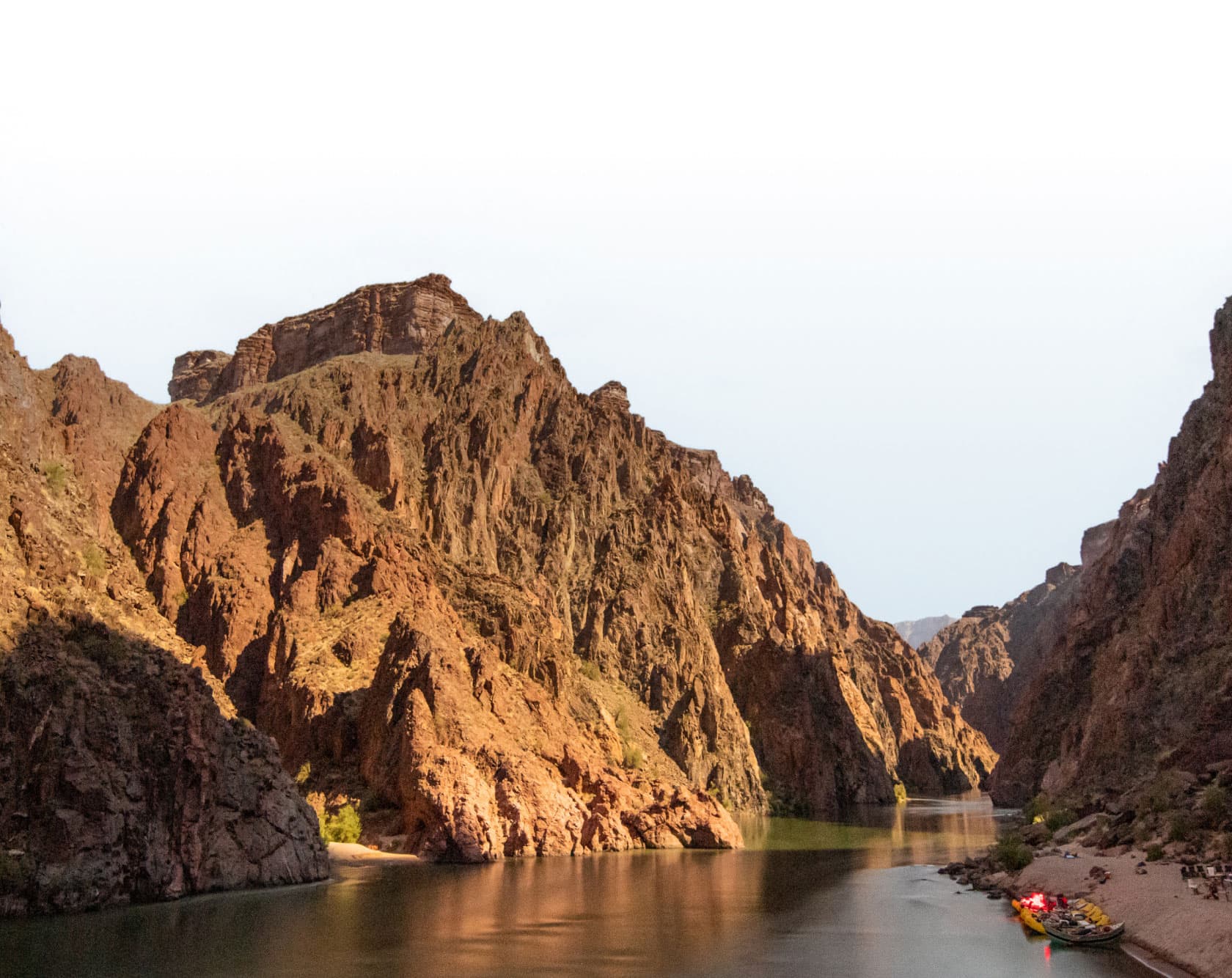
Guaranteed Flows: Why Utah’s Green River Tops the 2026 Rafting List
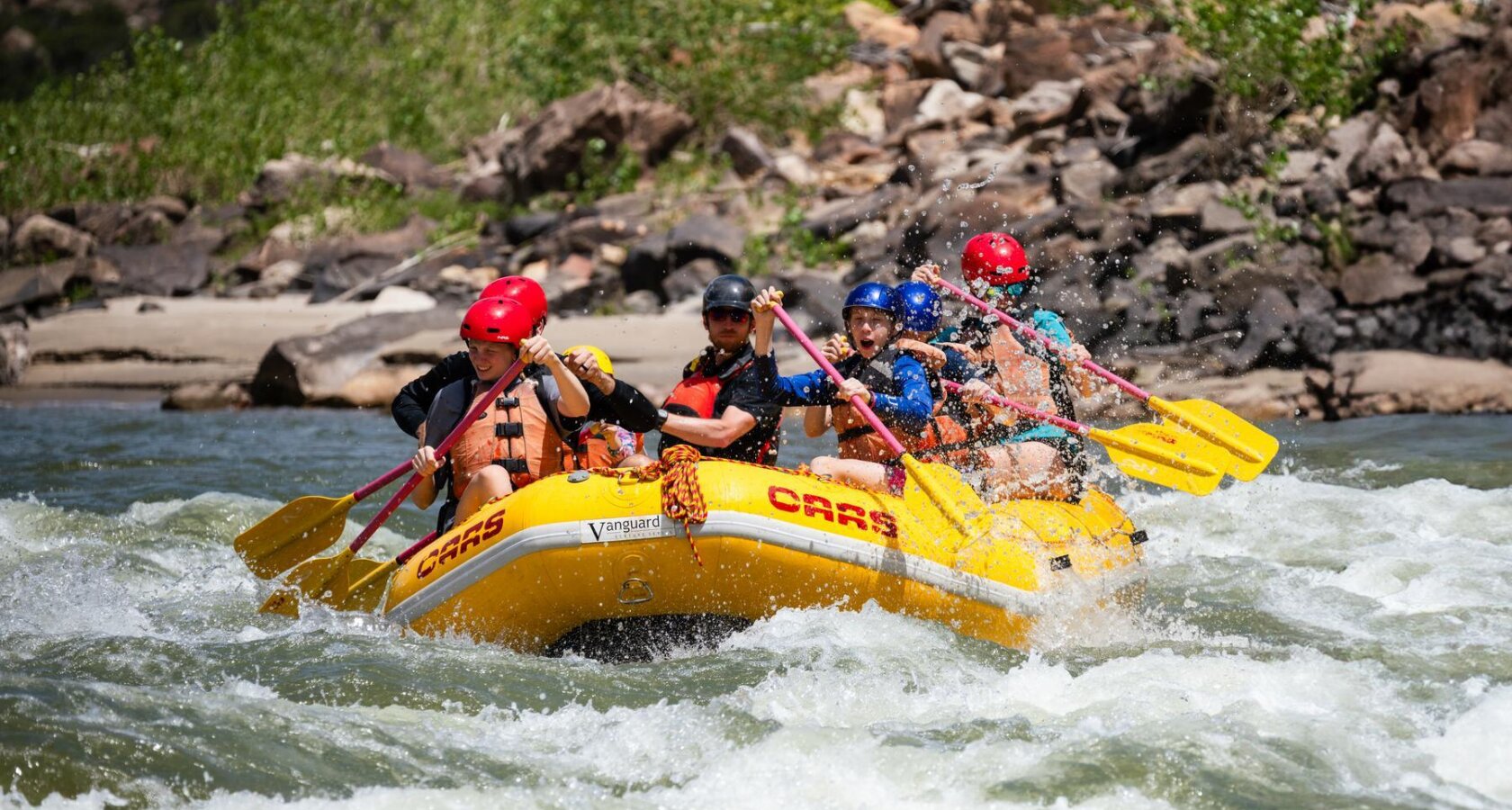
Water Releases from Flaming Gorge Reservoir to Boost Rafting Conditions on the Green River This Season
In OARS’ 2026 Rafting Outlook, the company’s operations managers noted that it’s shaping up to be a low-water year across much of the West, setting the stage for a lean season on some of the region’s most iconic rivers. But there’s an important exception—Utah’s Green River.
In a year when many rivers will see lower flows and more technical whitewater conditions, the Green River is poised to be among the most reliable rafting destinations in the West this summer, thanks to federally-mandated water releases from Flaming Gorge Reservoir.
If you’ve been reading headlines about “no water” and second-guessing your rafting plans, trips through Gates of Lodore and Split Mountain Canyon in Dinosaur National Monument, and further downstream in Desolation Canyon, are expected to offer a rare combination of sustained flows, splashy whitewater and classic summer rafting conditions.
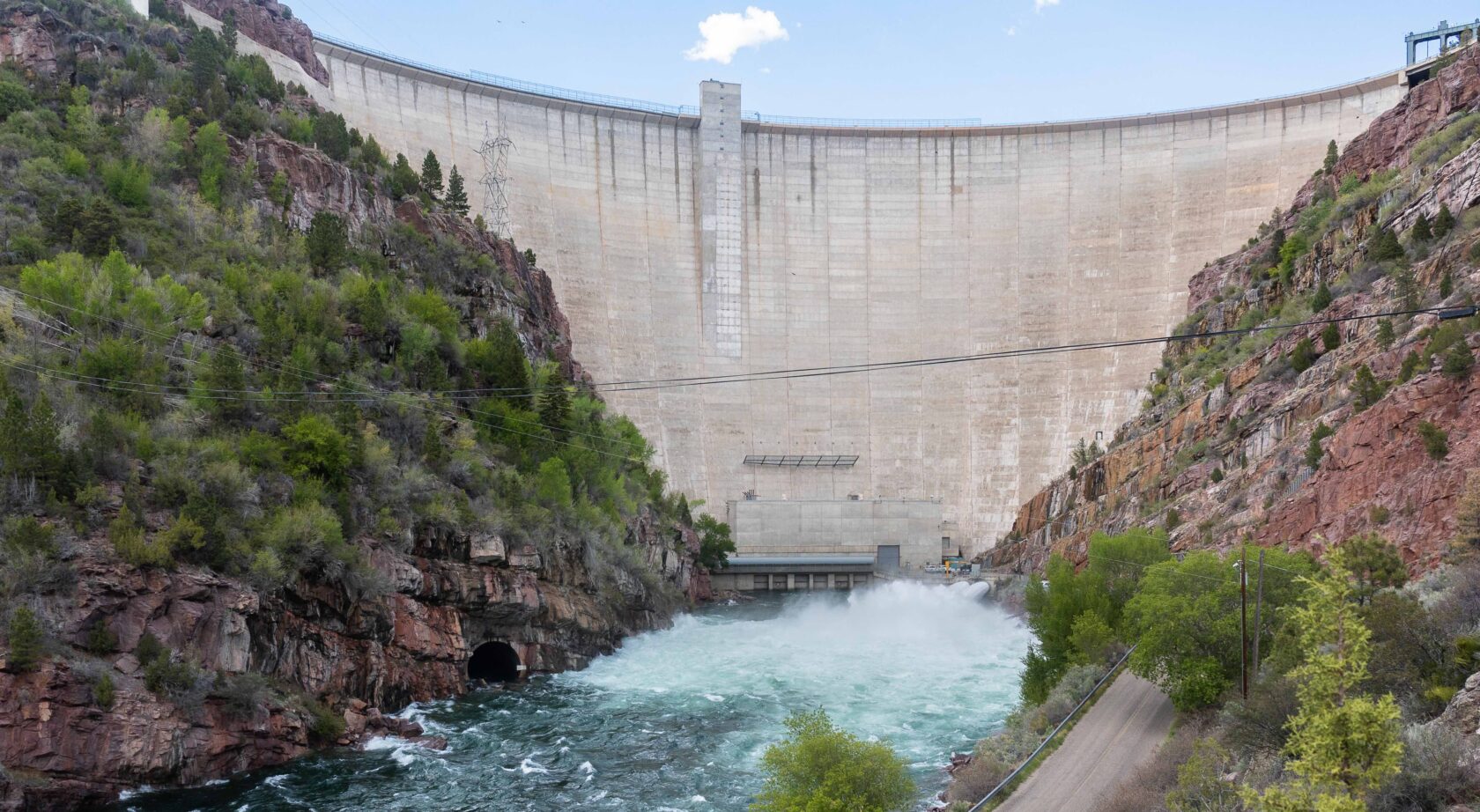
Why Are Water Releases From Flaming Gorge Reservoir Happening?
After more than two decades of drought in the Colorado River Basin, Lake Powell is nearing historically low levels with many experts fearing the reservoir will be at minimum power pool by the end of 2026. This occurs when water levels reach 3,490 feet, the lowest level at which Glen Canyon Dam can produce electricity.
To help stabilize the system and protect critical infrastructure, the Bureau of Reclamation plans to release between 660,000 and 1 million acre-feet of water from Flaming Gorge to Lake Powell through April 2027 as part of its drought response operations.
According to recent updates from the Bureau, the supplemental releases from Flaming Gorge, which is currently at 79% of capacity, are intended to boost storage at Lake Powell while supporting flows through the Colorado River corridor, including Grand Canyon.
For river runners, the takeaway is simple. More water is moving through the Green River system than you would typically expect in a dry year.
“Like anyone who cares about these rivers, we’re keeping a close eye on what’s happening in the Colorado River System,” says Seth Davis, OARS Director of Operations. “But the silver lining is that the dam-controlled releases from Flaming Gorge will make the Green River the most reliable whitewater rafting option in the region this summer.”
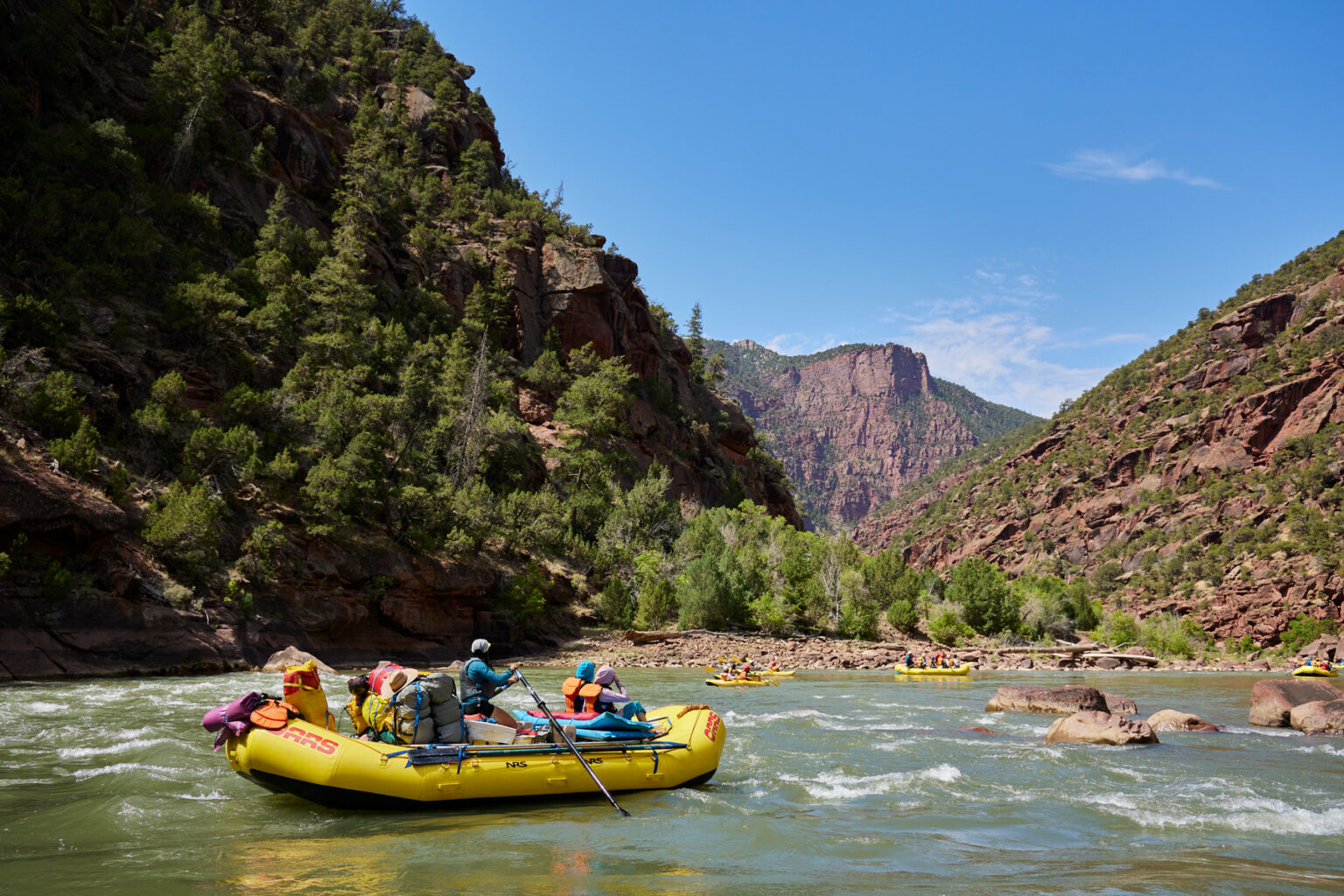
What Kind of Flows Can Rafters Expect on the Green River?
In early May, flows on the Green River below Flaming Gorge Dam were holding steady around 4,600 cubic feet per second (CFS). This was followed by the Larval Trigger Study Plan release during the week of May 4, which sent flows surging to roughly 8,600 CFS, a powerful spike designed to mimic natural spring runoff and support endangered fish.
Flows began to decrease on May 11 and are expected to stabilize at a daily average of 1,100 CFS through May before a second significant spike flow targeting smallmouth bass occurs sometime in June. Following these spring pulses, base flows are projected to settle in the 2,050 CFS range through September.
While the Bureau’s release plan is subject to change based on evolving conditions and weather, one thing is certain: outfitters are expecting higher-than-normal base flows well into the summer.
This matters more than it might sound. In lower water years, late-season flows through Lodore can drop below 800 CFS. When that happens, travel slows, rocks become more exposed and navigating the river requires more precision as guides work to avoid getting their rafts hung up in shallow sections.
This year’s projected base flows are more than double that level, helping ease navigational challenges and keep trips running smoothly all season long.
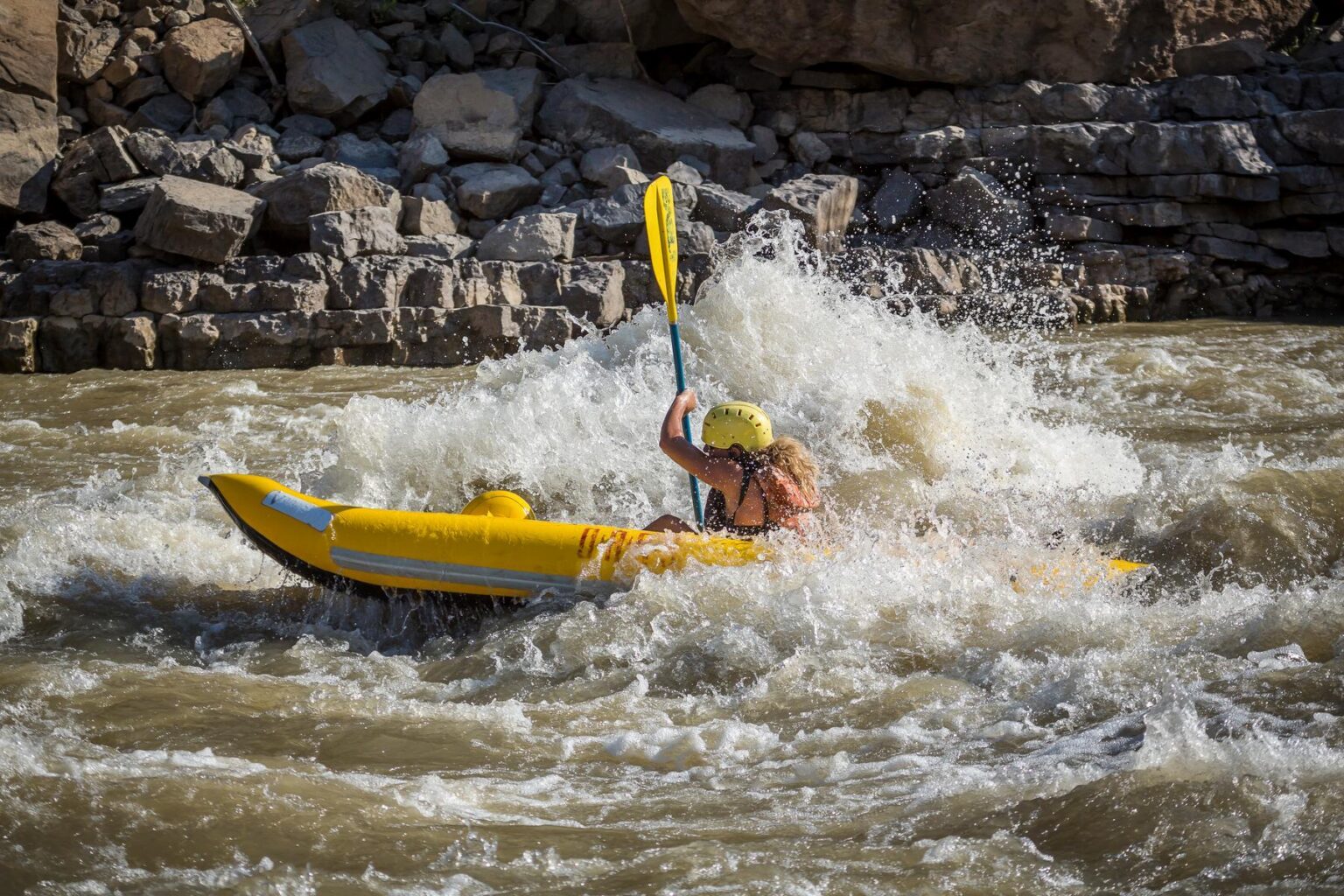
“These flows don’t change the classification of the river,” says Bruce Lavoie, OARS Dinosaur Operations Manager. “They just make it a really enjoyable trip.”
And that enjoyment shows up everywhere.
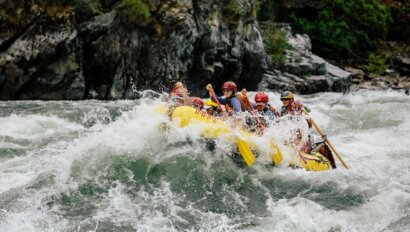
With this year’s healthy flows through the Gates of Lodore, iconic rapids like Disaster Falls and Hell’s Half Mile will maintain their punch well into the late summer. Reliable flows will also enhance the quieter moments of the trip, from floating beneath towering red rock canyon walls to spending more time exploring places like Jones Hole Creek and relaxing in camp.
In Split Mountain Canyon, Utah’s best one-day rafting trip, planned water releases mean bigger splashes and more excitement, while still maintaining approachable, family-friendly conditions.
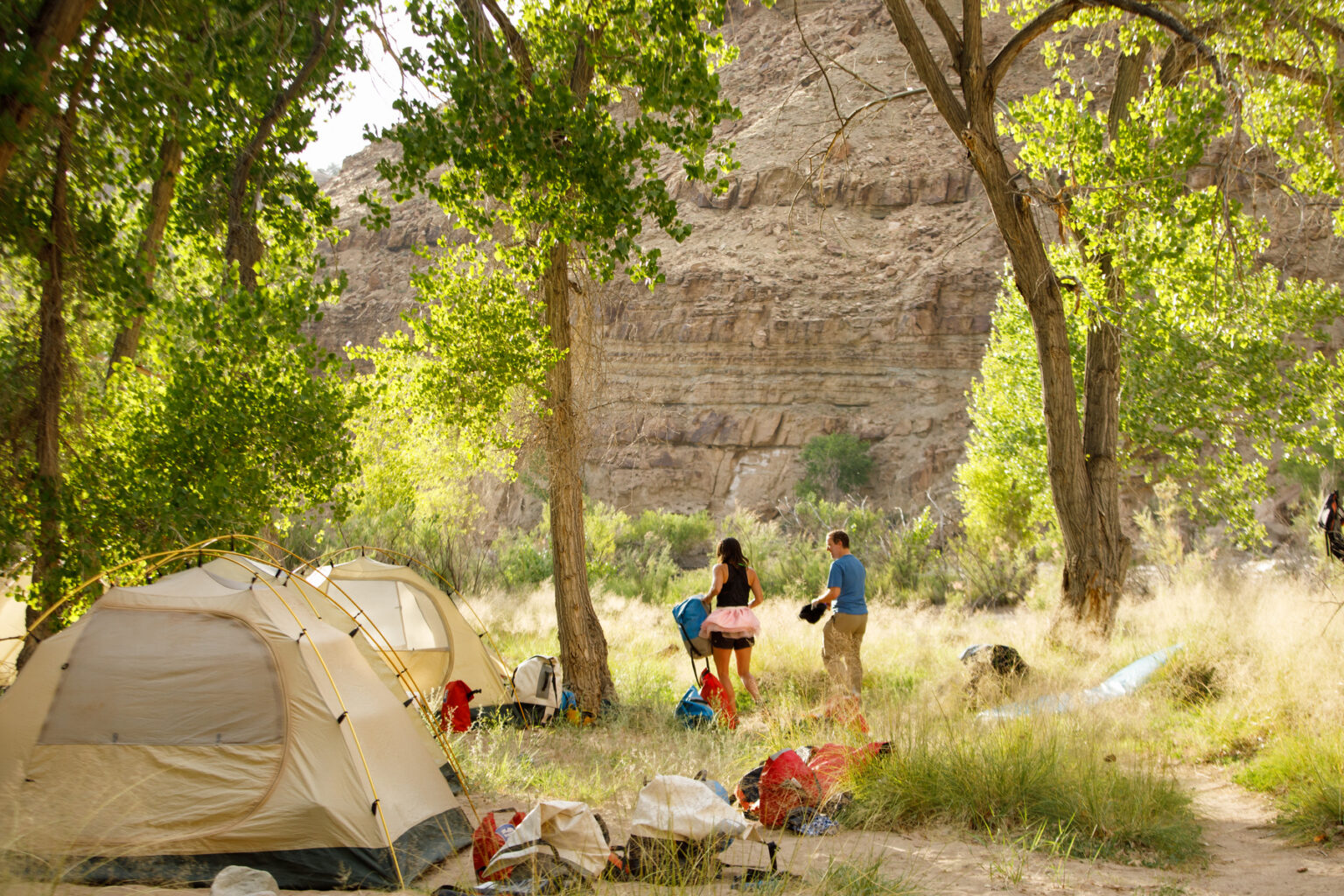
Further downstream, Desolation Canyon hits a sweet spot at moderate flows. This stretch’s 50-plus rapids become more dynamic, making it especially fun for inflatable kayakers looking for a playful ride. More camp options along the river, often well-positioned to provide access to hidden side canyons, historical sites, outlaw hideouts, and Fremont-era petroglyph panels, are also expected this season.
Why 2026 is the Year for Rafting on the Green River
Lavoie said it best in the 2026 Rafting Outlook—the Green River “is going to be the emerald gem of the Colorado River System this season.”
With dam-controlled releases boosting and stabilizing flows, Lodore, Split Mountain and Desolation Canyon are set up for a season that delivers both excitement and reliability. Trips won’t just run—they’ll run well, with conditions that hold steady beyond the brief spring runoff window.
For travelers who have been waiting for the right time to experience the Green River, this is it.
Conditions, timing and water levels are aligning in a way that doesn’t happen every year, creating a season where you can plan your rafting trip with confidence and experience these canyons at their best.
Sign up for Our Newsletter