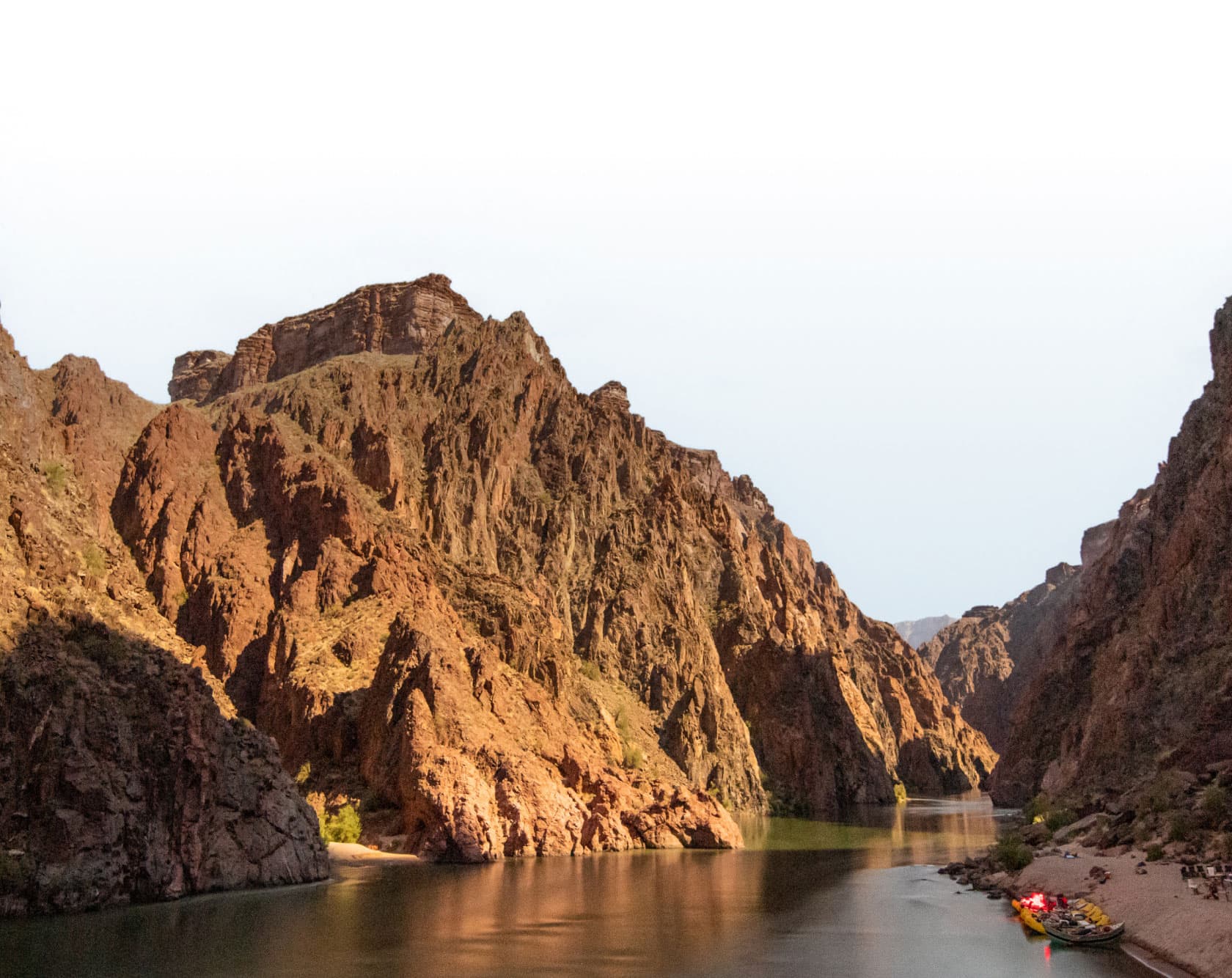
Following Georgie White Into the Heart of Grand Canyon
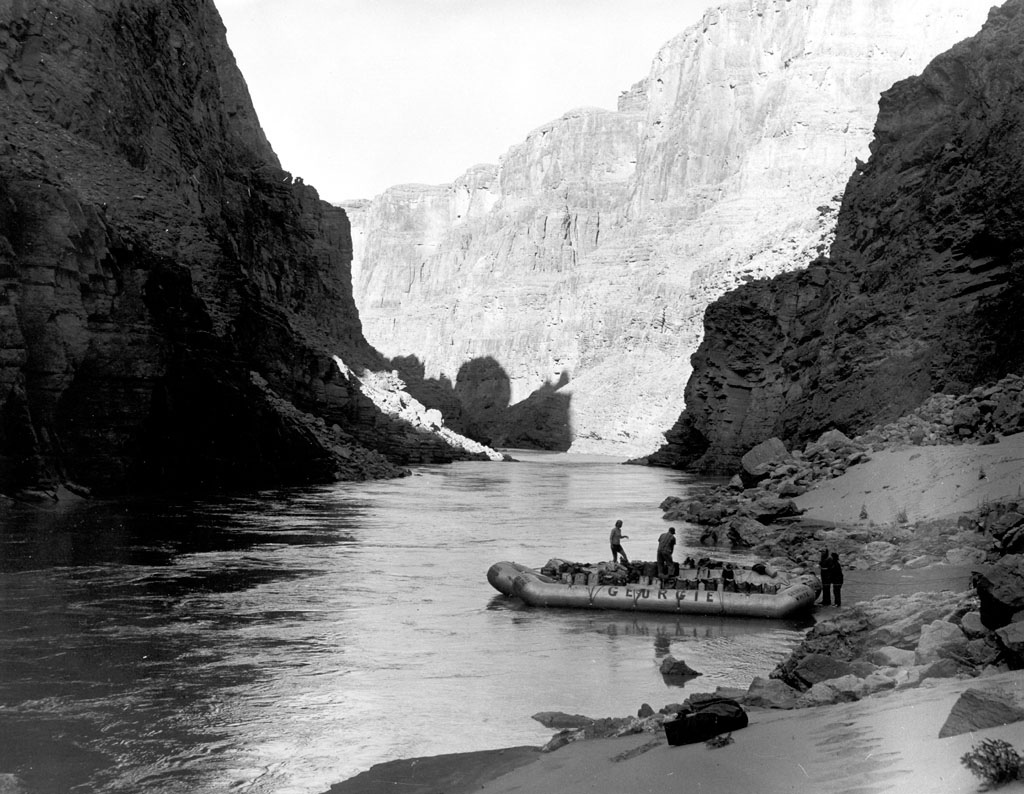
What Tracing the Story of a Pioneering River Runner Taught Me About the Canyon She Loved
I came into my first Grand Canyon rafting trip hoping to learn secrets. Hoping that history would be revealed to me as I floated down river. I was looking, in particular, for stories of Georgie White.
I’d become fascinated with Georgie—the first woman to guide river trips through the Grand Canyon and, for a long time, the only woman to run a commercial rafting company down there—while looking for heroes in the outdoor world to highlight in my book, Fierce Country. The goal was to dig into the stories of women in the outdoors who were brave, broke boundaries, and protected the places they’d loved.
In Georgie, I found a pioneering river runner who was known to be deeply obsessed with the canyon and foundational in shaping how rivers are run today. She was undeniably one of those heroes.
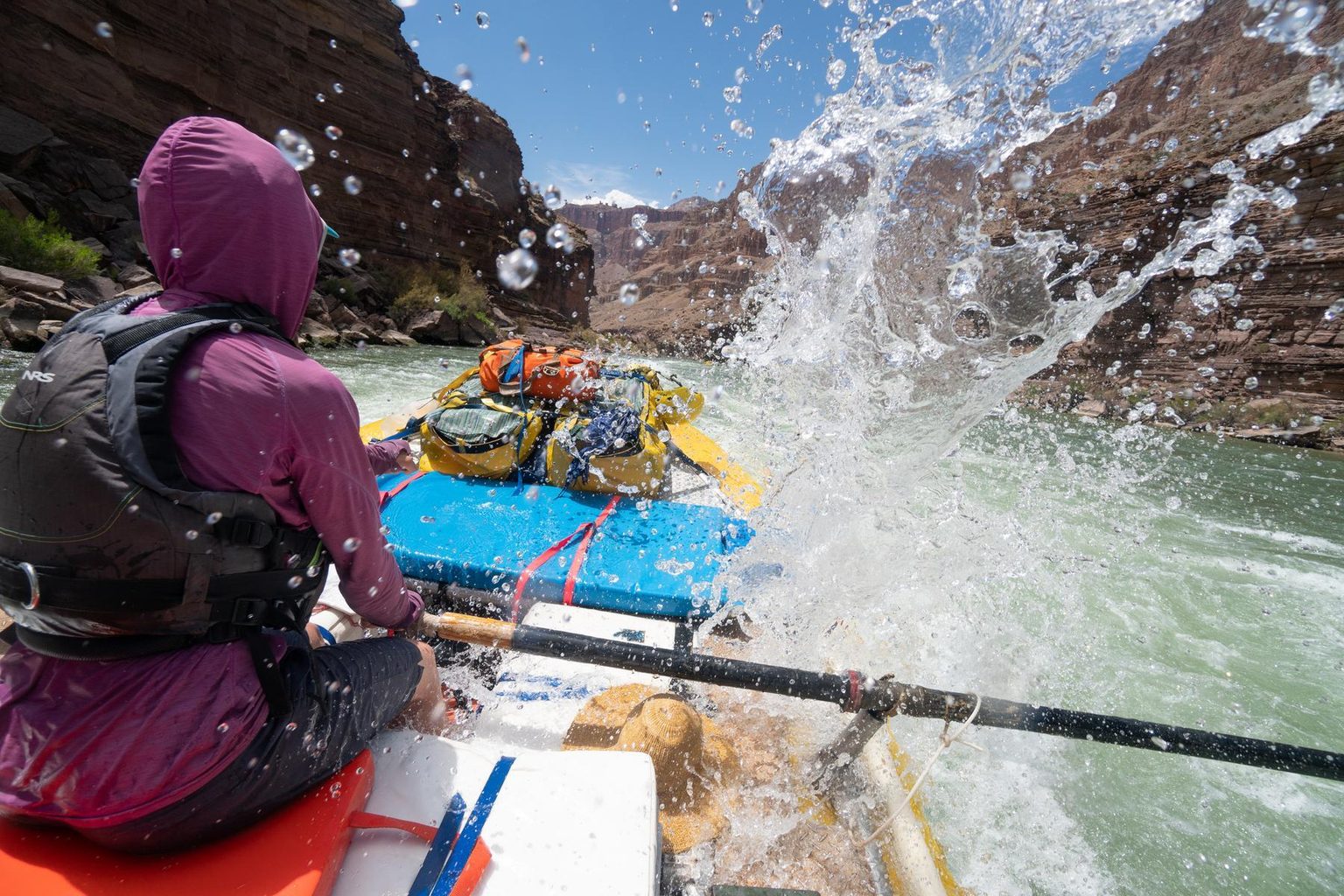
I wanted to better understand her story and why the Grand Canyon was so important to her. My opportunity came as an assistant on an OARS Grand Canyon trip—my very first time down the 280-mile stretch of the Colorado River. I’d been a river guide for years, but tracing Georgie’s path on a stretch of river I’d never run completely reshaped what I thought I knew about the canyon.
The first lessons came easy.
The Grand Canyon is like nowhere else, but you can’t know that until you feel it for yourself. I knew Georgie loved the thrill of whitewater, and the sensation of knowing how the river compressed and changed in the canyon. She said no man could give her the thrill the river did. I learned that early on day one, when we dropped into Badger Creek Rapid, and I felt the force of the water. The big yellow raft stalled, then pushed through the waves, and somehow I was breathless and giggling in the front of the boat, ready for more.
The experience of being down there isn’t just about the river itself, it’s also about the people you’re with and the camaraderie that forms instantly. Georgie was famous for her Royal River Rat Initiation. On every trip, once the boats had made it through Lava Falls, the last of the canyon’s most notorious rapids, she’d initiate the newbies into the River Rat Society. She’d ask them trivia about what they’d seen, dunk them in the river, and seal the deal with a shot of brandy.
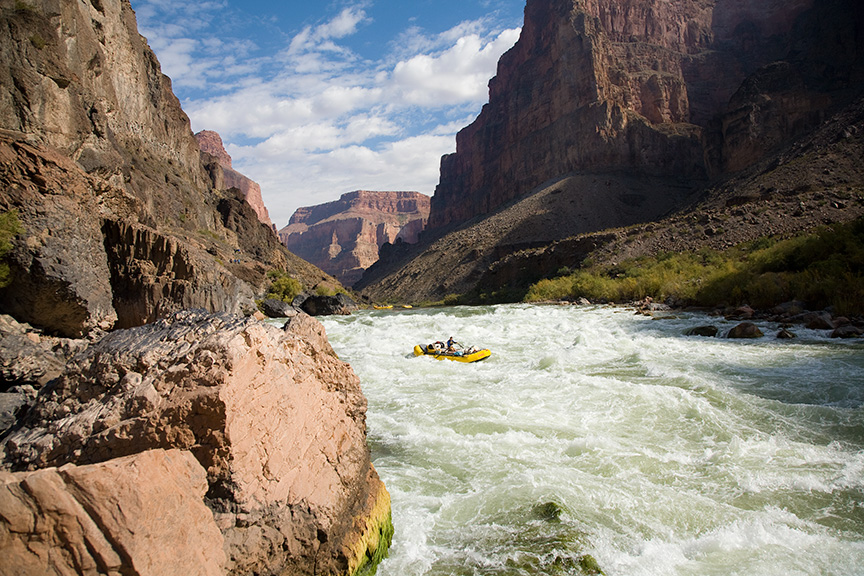
She knew how important community was, and how special it felt to share that connection in that moment. That magic doesn’t only come from big rituals, though—it grows out of just being there together: gathering at night, going on side hikes, telling stories as you float through flatwater. I floated down the Little Colorado with some cousins from Seattle, and sat quietly in Blacktail Canyon with a grandma from Vermont, taking in the silence. We’ve stayed in touch. Being on a river trip bonds people together.
Part of what creates that closeness is the pace of a river trip. You can only go as fast as the current. That means you have time to see so much, and can start to understand the full scope of history and complexity of all that’s happened in the canyon, and how important it is. From the rim, history gets eroded or reduced to simple tidbits—a quick fact about Indigenous tribes or a few famous names. Down in the canyon you actually have the time to be curious. There is so much depth.
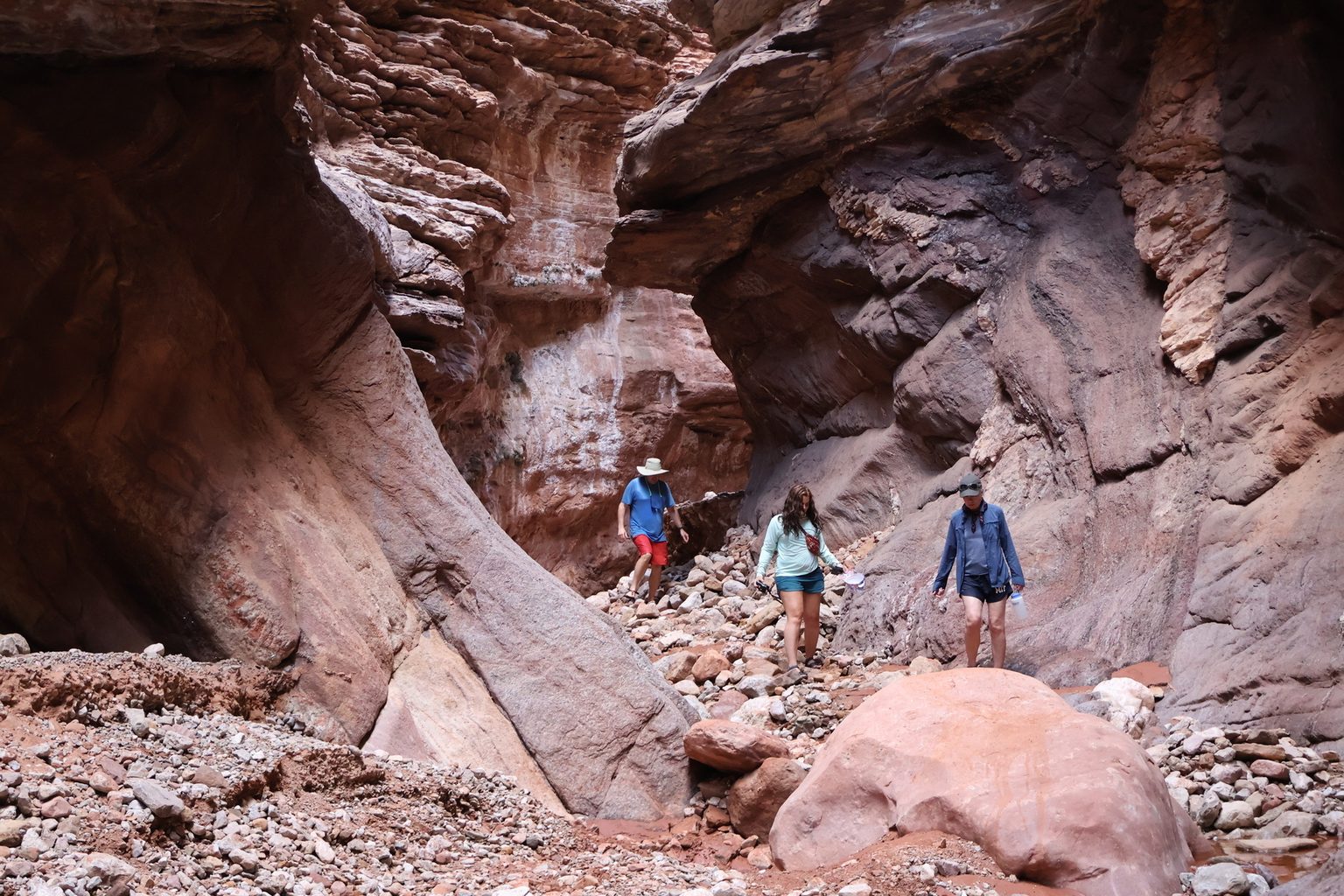
That’s what I was searching for when I went looking for Georgie’s story. I wanted a more complete picture, and I got it, mile by mile. I slept on the beaches where she’d wrestle with her guides, but I also hiked into tunnels that were drilled for dams the Bureau of Reclamation tried and failed to build in the canyon, and saw an ancient mano and metate tucked into a side canyon. I had time to piece the history together.
Ultimately, tracking down Georgie White’s story showed me that the best way to love a place is to have a relationship with it—to know both its rough edges and its beauty. This was Georgie’s core passion and my greatest lesson. In her time, Georgie brought more people down the canyon than anyone else because she wanted them to love it as fiercely as she did. She wanted them to understand it, and then fight to protect both the experience and the place.
I had an idea of what the Grand Canyon was, but now I understand it deeply. I spent days learning its rock layers, felt the grit on my skin, woke to the sound of its waves, and watched the canyon change with every bend in the river. I care about the Colorado River because I’ve felt it buckle up under me before launching my raft into a wave train, and because I’ve seen some of its most sacred places.
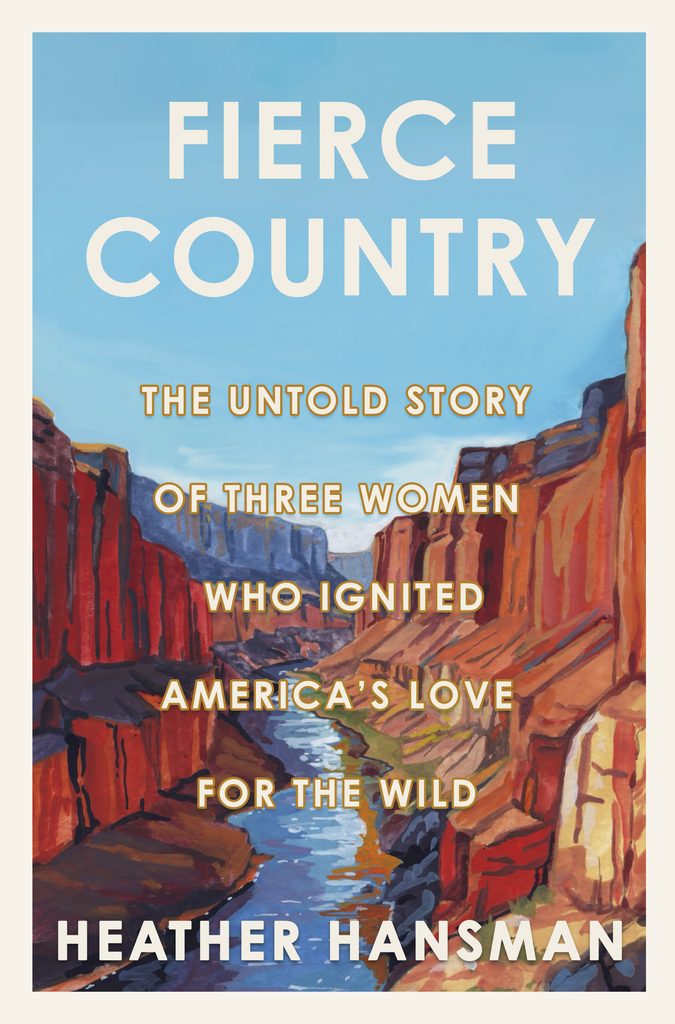
For more about Georgie White and other stories of women who helped ignite America’s love for the wild, check out Heather Hansman’s new book, Fierce Country.
Please note that some of the links above are affiliate links and OARS will earn a small commission if you decide to make a purchase through one of the links.
Sign up for Our Newsletter