Bat Encounters & Rabies Risk: What You Need to Know
Bat Safety & Rabies Awareness on Your Grand Canyon River Trip
Camping along the Colorado River in Grand Canyon National Park is one of the most memorable wilderness experiences in the world. As the sun sets behind the canyon walls, you may notice bats swooping gracefully across the night sky. Bats play a vital role in the canyon’s ecosystem by eating thousands of insects each night, including mosquitoes.
While bats are generally harmless to humans, it is critical to be aware of the risk of rabies, a rare but serious disease that can be transmitted through the bites or scratches of a rabid animal.
In 2018, the National Park Service issued a formal public health warning after a rabid bat was collected and confirmed positive at Phantom Ranch along the river corridor. Since then, there has been an increase in reports of bat-human encounters in Grand Canyon National Park that have prompted the park to advise river runners to “take extra precaution and sleep in a tent for protection” due to confirmed rabies cases along the river corridor.
The information below outlines the risk of coming into contact with a bat on a Grand Canyon river trip, what happens if you suspect you’ve had a bat encounter on a trip, and best practices for our guests to minimize bat encounters.
Understanding the Risk
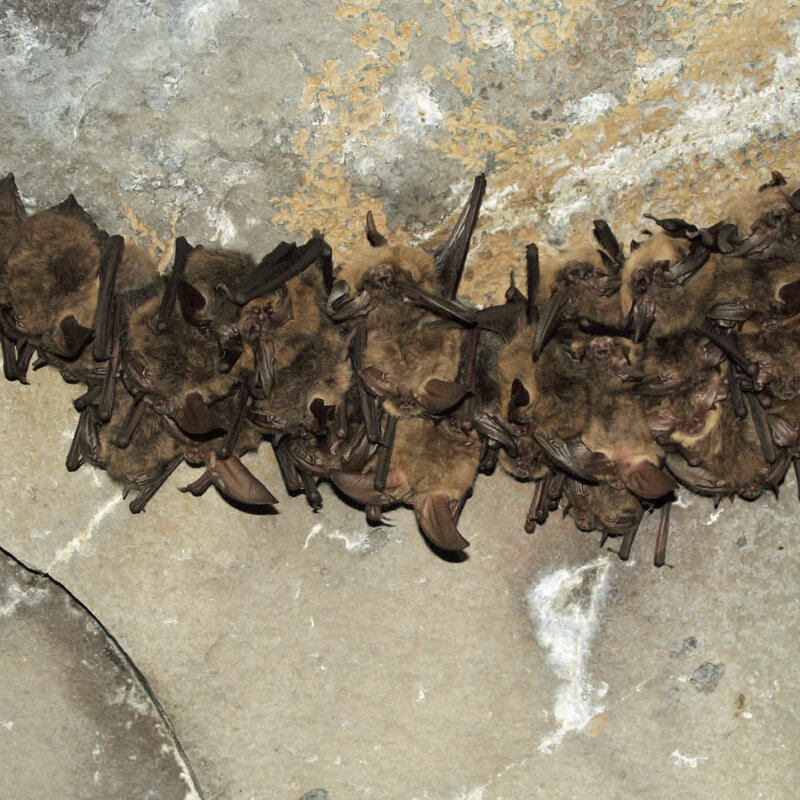
Rabies is a viral disease that affects the central nervous system. In the United States, bats are the primary wildlife source of rabies cases. While less than 1% of wild bats carry rabies, a rabid bat may exhibit unusual behaviors, such as:
- Flying during daylight hours.
- Being unable to fly or resting on the ground, on beaches, or low on rock walls.
- Showing no fear of humans or acting unusually aggressive or lethargic.
While the likelihood of encountering a rabid bat in the Grand Canyon is relatively low, because rabies is 100 percent fatal if not treated before neurological symptoms appear, our team takes every potential bat encounter very seriously.
What to Do If You Contact a Bat in Grand Canyon
Bat encounters aren’t limited to when it’s dark. They can occasionally happen around camp during daylight or twilight, which is why OARS encourages good campsite habits alongside using tents or bug nets.
If you are bitten, scratched, or suspect direct contact with a bat (such as waking up to find a bat in your tent or on your sleeping bag):
- Wash the area immediately: Scrub the contact area thoroughly with soap and clean water for at least 15 minutes.
- Inform your river guides right away: Your trip leader will initiate first-aid protocol and assess the need for medical evaluation.
- Seek medical evaluation: Because rabies post-exposure prophylaxis (PEP) is highly effective at preventing the disease when administered promptly after exposure, medical evacuation within 24-72 hours may be necessary.
Should an exposure occur, our guides use satellite devices to consult with Grand Canyon National Park Dispatch. Together, we assess the details of the encounter—such as whether there was direct skin contact—to establish the best plan for timely medical evaluation.
The good news is that a suspected bat exposure doesn’t automatically mean an immediate helicopter medevac or an abrupt end to your trip. In some cases, treatment timelines allow guests to continue their journey normally, especially if there’s a planned exit in the days ahead.
If you are exposed, you’ll require the Rabies Immune Globulin (HRIG) and a 4-dose series of the Rabies Vaccine over 14 days. This treatment is nearly 100 percent effective when administered properly and within the right timeframe.
Important Note on Pre-Exposure Vaccination (PrEP): If you have received a rabies vaccine prior to your trip, note that it does not make you immune. While it eliminates the need for Rabies Immune Globulin (HRIG), post-exposure booster vaccines are still strictly required following any direct contact.
Best Practices for River Guests
To protect yourself and the local wildlife during your expedition, follow these simple safety guidelines:
- Never Touch a Bat: Never handle, pick up, or touch a bat—whether it is alive, dead, active, or grounded.
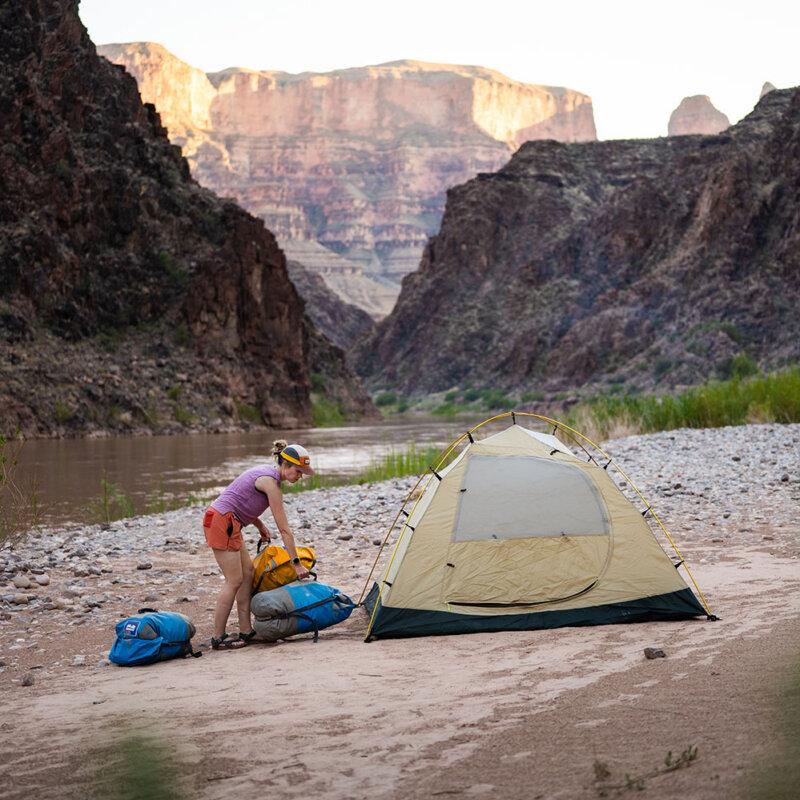
- Sleep in a Tent: While sleeping “under the stars” can be a wonderful experience, sleeping inside a tent or under a bug net is recommended as it creates a physical barrier between you and the wildlife.
- Take Note of any Existing Scratches and Abrasions: Bat teeth are extremely fine, and a bite or scratch can sometimes go unnoticed during sleep, so being aware of existing scratches can help relieve uncertainty.
- Notify Your Guides: If you spot a grounded or strange-acting bat near camp, notify the trip leader or guides immediately, so they can keep the group away.
Preparing for Your Trip
The best thing you can do to prepare for your Grand Canyon trip is purchase a travel protection plan. In the unlikely event you do have a bat encounter while on the river, a travel insurance plan like the one recommended by OARS through Arch RoamRight, will help with the costs associated with medical treatment and evacuation for bat contact, as well as trip interruption for the missed part of your trip. Before you purchase a plan, be sure to verify coverage specific to this scenario.
Resources & Guidelines
For more information on bat safety, rabies prevention, and Grand Canyon wildlife:
- Arizona Department of Health Services (ADHS): Rabies Prevention in Arizona
- National Park Service (NPS): Grand Canyon National Park Bats & Rabies Safety
- Centers for Disease Control and Prevention (CDC): Rabies Information & Bat Exposure
Discover Your Next OARS Adventure