Peru Adventures & Machu Picchu Tours
Explore Peru’s Sacred Valley & Machu Picchu
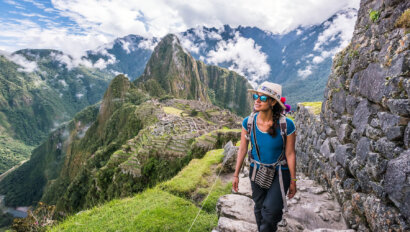
Equally rich in adventure as it is in history, the South American nation of Peru is a mystical land of rolling countryside and dramatic mountain views. It is a region rich in the archaeological remains of Inca and pre-Inca origins—extensive terracing, villages, fortresses, and outposts with intensive agricultural activity. Journey from Cusco through the Sacred Valley to the ruins at Machu Picchu, and discover the incredible cultural heritage of the Inca Empire. From friendly and knowledgeable local guides to school and market visits, OARS trips are an amazing opportunity to interact with the people of Peru.

Find Your Perfect Trip
Adventures in Machu Picchu, Peru
Machu Picchu Explorer
Location:
Machu Picchu, Peru
Adventure Level:
Moderate
Minimum Age:
10

Mystical Peru Lodge Trek
Location:
Machu Picchu, Peru
Adventure Level:
Challenging
Minimum Age:
12

Inca Trail Trekking
Location:
Machu Picchu, Peru
Adventure Level:
Challenging
Minimum Age:
12
Machu Picchu Express
Location:
Machu Picchu, Peru
Adventure Level:
Easier to Moderate
Minimum Age:
10

My extended family and I went on this incredible excursion. It was not only highly educational, but incredibly fun. This trip was organized to a tee which is a must in a foreign country where you don't speak the language…I can't say enough about what a wonderful experience this trip was, and I highly recommend it for anyone who would like to experience Macchu Pichu.
OARS Peru guest
Map
Which Machu Picchu trip is right for me?
OARS offers a variety of trips to Peru’s most iconic destination. Each of our hiking trips is tailored to different travelers.
Mystical Peru Lodge Trek — Trek the Salkantay “Inca” Trail to Machu Picchu on this lodge-to-lodge adventure, where each day’s hike ends at a cozy lodge with hot showers, gourmet food, and hot tubs.
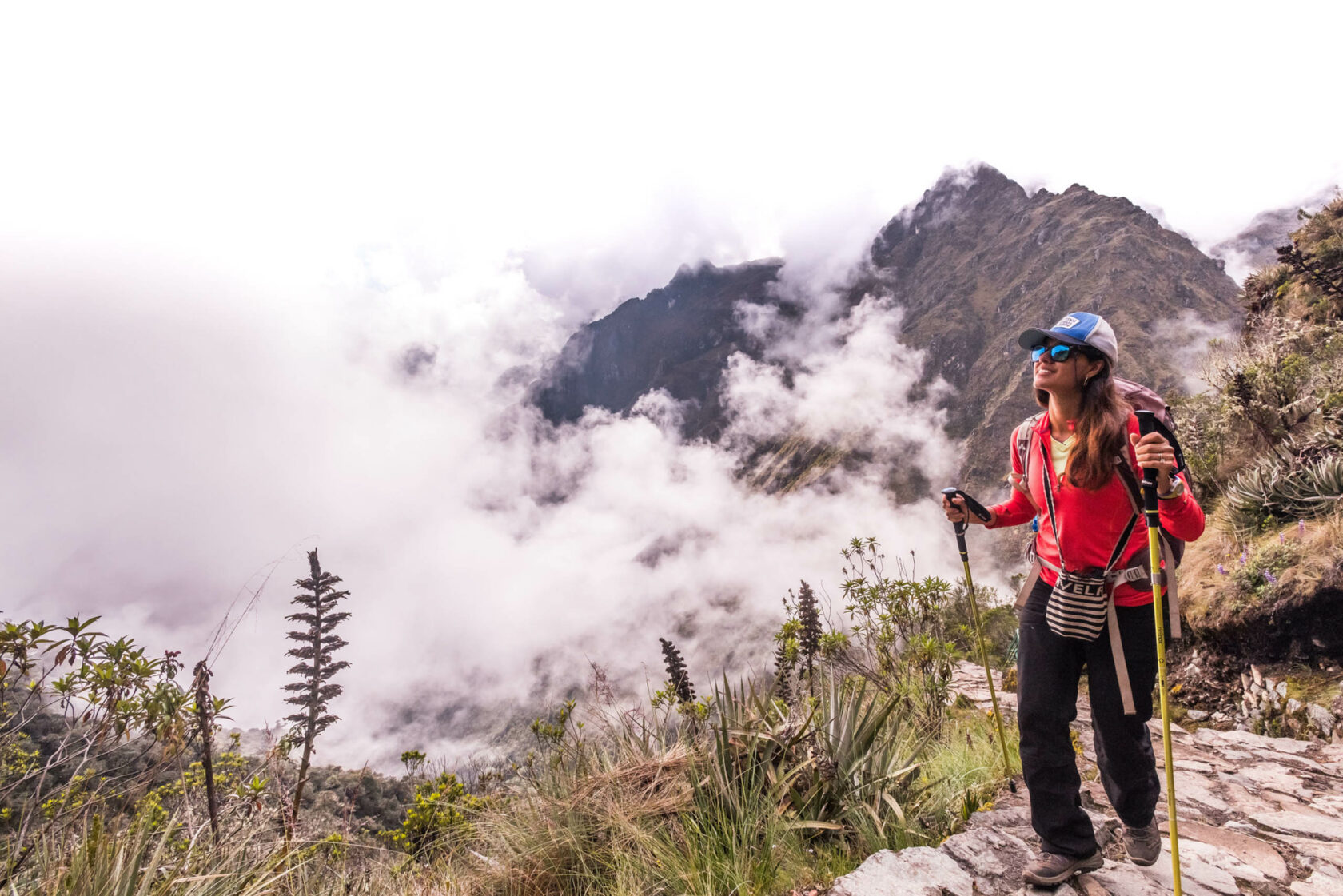
Inca Trail Trekking — This trip strikes the perfect balance between high-altitude trekking and creature comforts as porters carry the camping gear and prepare your meals, so you can explore this Andean wonderland without heavy backpacks.
Machu Picchu Hiker — On this lodge-based adventure, guests will explore Cusco and the villages of Chinchilla, Urquillos, Ollantaytambo, and Yanahuara before trekking to Machu Picchu.
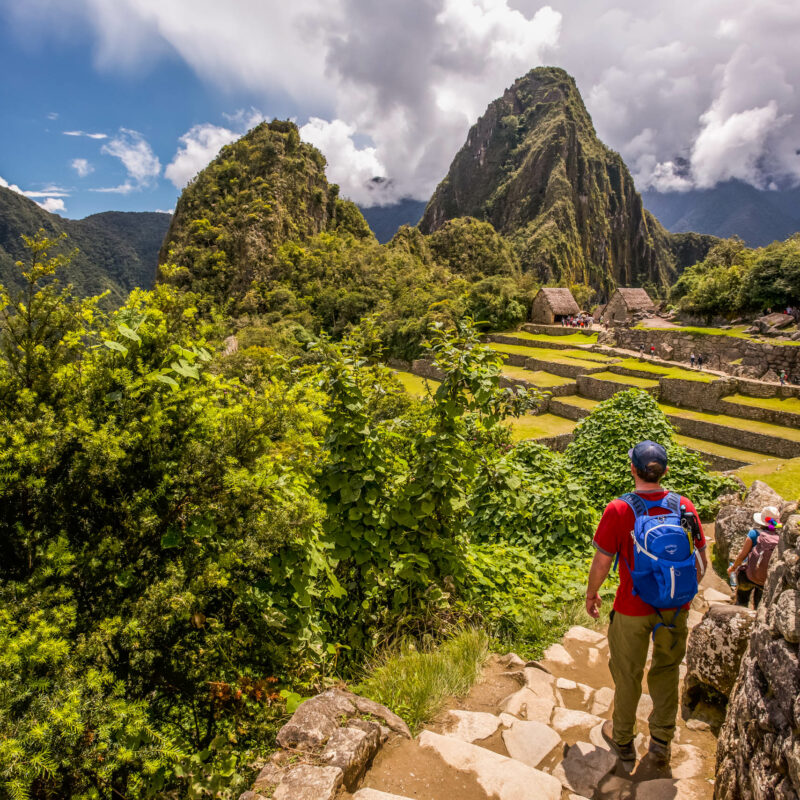
Machu Picchu Explorer — For those looking for a well-rounded, multi-sport adventure, this trip offers rafting on the Urubamba River, zip-lining through the Cloud Forest, and visits to a school, farm, and market, as well as the classic trek to Machu Picchu.
Machu Picchu Express — Designed primarily as an extension to our trips to Galapagos, this fast-paced trip takes visitors from Cusco to Machu Picchu, visiting Pisac Market, the village of Ollantaytambo, and Agues Caliente en route.
How difficult is trekking on Peru trips?
Trekking in the High Andes takes a toll on the average person, which is why previous high-elevation hiking is recommended for Peru adventures that include extended hikes. We highly recommend that you arrive early, spending 2 nights in Cusco in order to acclimate before your trek.
When is the best time to visit Peru and Machu Picchu?
Adventures to Peru are available March through December with different trips leaving at different frequencies. Although space is occasionally available on short notice, demand for trekking permits on the Inca Trail is high, and we strongly suggest contacting us at least six to nine months (or more) in advance for the best shot at securing the date of your choice. May through October, when the weather is best, is typically the busiest time to travel.
Why travel with OARS in Peru?
Traveling to an unfamiliar country doesn’t have to be challenging. With more than 150 years of combined experience in the adventure travel industry, our staff of knowledgeable adventurers has taken out the guesswork and added our guarantee. A trip to Peru with OARS is a true adventure. The country offers a unique mix of adventure, natural phenomena, history, and cultural attractions, and it is renowned for its food and hospitality. As you journey through Peru, you can be confident you’re traveling with one of the most trusted and experienced adventure travel companies in the world.


Discover your next OARS Adventure